

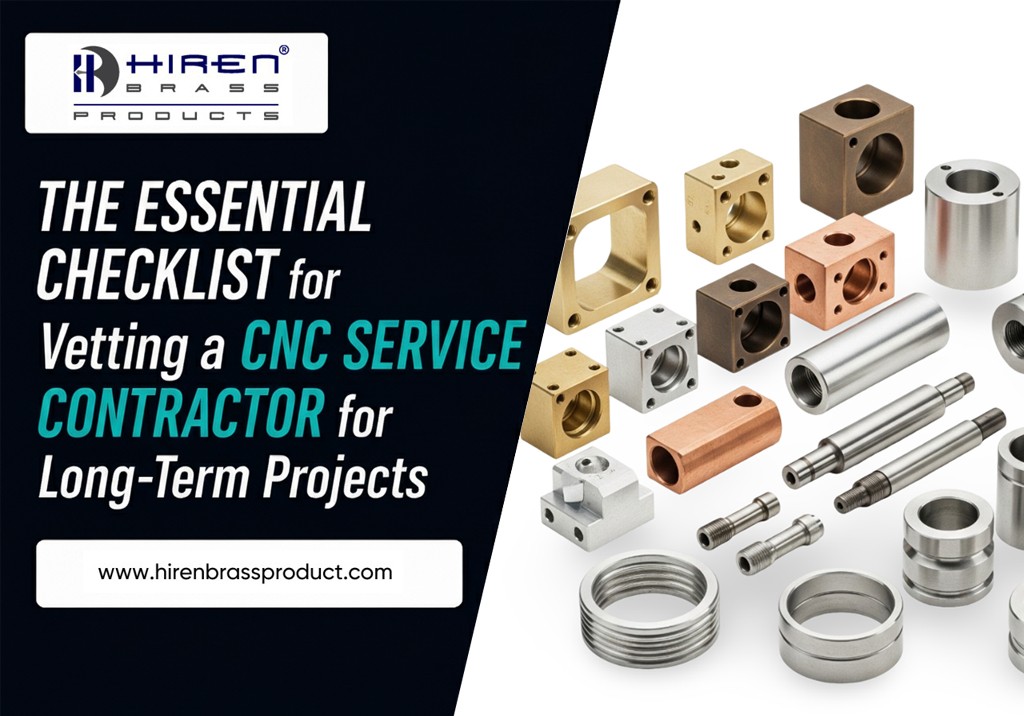
A long-term CNC project is not as easy as an RFQ-quotation-order checklist; it’s more than that. For a long-term CNC project, the buyer has to decide whether a contractor can maintain quality, meet the required production volume and delivery schedule, and meet specified tolerances. That decision needs more than a quotation and a sample part.
The useful checks are the ones that show how the CNC machining parts manufacturer will handle the actual work. Review the manufacturer’s machining capability, engineering support, quality controls, production records, delivery performance, supply continuity, and commercial controls. This checklist covers those areas before a long-term CNC project is awarded.
Verify CNC Experience and Production Capacity
Relevant CNC Experience and Repeat-Order Track Record
You have to check CNC part supplier has handled work relevant to your projects before. It's simple to check that you want order cnc component made it before similar. Previous experience and past performance can help you judge whether the supplier has worked with similar requirements. For a long-term project, also check whether the contractor has supported repeat production rather than relying only on a successful first order. Use available evidence such as past-performance information, customer references, and supplier visits.
Equipment Fit, Capacity, and Production Stability
Check that the CNC machined part manufacturer has equipment suited to your requirements and enough available machining capacity to meet your required production volume and schedule. Capacity includes more than the number of CNC machines. The supplier also needs to schedule orders and track production against demand. Also, you have to confirm the supplier can support increases in future volume.
Confirm Technical and Engineering Capability
Material, Machining, and Secondary-Process Capability
After verifying experience and production capacity, the next step is to check whether they can handle the actual machining processes and materials required for the project. Do not rely only on a general CNC capability list. Check the supplier against the actual material, process, and part requirements. The supplier should also be able to manage any required secondary processes and control external providers against the project requirements when those processes are outsourced.
DFM Support and Engineering Communication
Check how the manufacturer reviews your design before production. A useful DFM review can identify manufacturing concerns related to geometry, tooling, fixturing, and the required machining process. The supplier should also communicate technical questions clearly when the drawing, and manufacturing requirements need discussion.
Verify Quality Control and Traceability
Quality Systems, Inspection, and Measurement Traceability
Next, you have to check the quality management system according to your project. ISO 9001 certification is voluntary, so check whether your project requires certification. Also check whether the manufacturer has suitable inspection and measurement resources for the required checks. Also note that not each cnc parts need all certificate its depends on the parts and your requirements.
When the project requires measurement traceability, check the supporting calibration records and documented traceability chain for the relevant measurement results. Metrological traceability applies to the measurement result, not simply to a calibrated instrument.
Material Certification, Production Records, and Change Control
Material certification and production records may be required for the project. These records can support material identification, product traceability, and evidence of production and inspection activities when they contain the information needed for those purposes. The required records depend on the customer, contract, industry, and project requirements.
Also check how the manufacturer controls changes to drawings, specifications, processes, and other approved manufacturing information. The supplier should review and implement approved changes and record them according to the project's requirements.
Check Delivery Reliability and Supply Continuity
Lead-Time Performance and Production Planning
You should verify the supplier's stated lead time and actual delivery performance against the agreed delivery date for your CNC parts. Lead time can be measured from order receipt to shipment, so make sure you know the timing basis before comparing suppliers.
Also check how the supplier plans production against your order demand. Ask how the supplier tracks the order and identifies schedule risks.
Disruption Recovery and Supply Continuity
Check how the supplier prepares for events that can interrupt normal production and supply. Review any critical supplier, material, production, or single-source dependencies that could affect your project. Also check the supplier's recovery plan and response process. Where the project risk justifies it, review the alternative supply arrangements and recovery actions available to the supplier.
Review Commercial and Contract Controls
Total Cost, Tooling, and Payment Terms
Check the total cost of ownership before you commit to a long-term CNC supplier. Review the quoted part price along with applicable setup, tooling, acquisition, inventory, scrap, and rework costs.
For special tooling, define who pays for it, who owns it, who maintains it, and how the buyer can recover it according to the agreed tooling arrangements. Tooling arrangements depend on the contract, so do not assume customer-funded tooling always belongs to the customer. Agree the payment terms in the contract as well.
Intellectual Property and Performance Reviews
Protect your drawings, specifications, technical information, and other confidential information through clear contract terms. Define ownership, permitted use, confidentiality, and rights for existing and newly created IP.
Set a clear method to review supplier performance during the long-term relationship. Agree on the performance measures and review frequency that fit the project, then use the results to identify issues and required actions.
Conclusion
Choose a CNC supplier for a long-term project only when its technical capability, quality control, delivery performance, and commercial terms meet your requirements. A supplier that cannot support these requirements consistently is not suitable for long-term work.
Need CNC parts for a long-term project? Send your drawing, material, quantity, and requirements for review.