

Choosing a CNC turning service affects accuracy, cost, and long term reliability. High precision CNC turning parts expose weaknesses fast when the supplier lacks control. A drawing that looks simple can fail if concentricity drifts or surface finish changes between batches. Precision comes from process discipline, not claims.
A capable CNC machining service understands how geometry, tolerance, and material interact on the lathe. Tool wear, spindle stability, and setup repeatability decide whether parts stay inside limits. These details matter more than machine count. Buyers who skip this evaluation often face rework and delivery slips.
This guide breaks the selection into clear steps. Each step focuses on what actually protects precision in CNC turned parts. The goal is to help you judge a provider on evidence, not promises.
Step 1: Defining Your Needs and Demanding Precision
Precision starts with clarity. You must define what accuracy means for your part before contacting any manufacturer. Vague requirements lead to variable results. Clear limits protect function and cost.
You should document tolerance ranges, surface finish targets, and concentricity limits. You should define critical features that cannot drift. You should state expected volume and repeatability needs. These details guide the machining strategy from the first setup.
Material choice affects precision behavior. Aluminum CNC turning parts respond differently than brass CNC turned parts. Each material changes tool wear, heat behavior, and finish stability. Precision expectations must match material reality.
Identifying High-Precision CNC Turning Parts Requirements
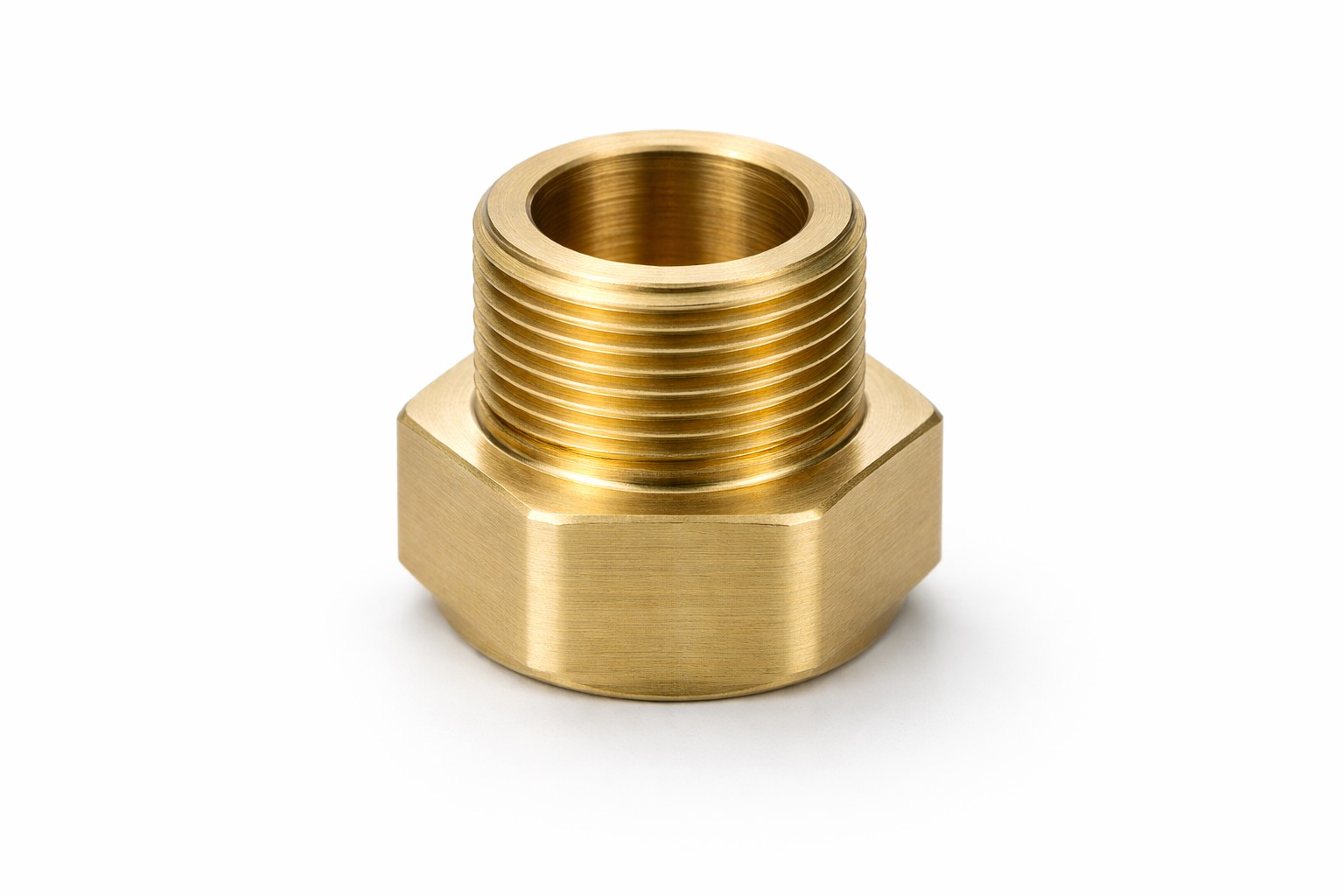
High-precision CNC turning parts demand controlled geometry. You must specify diameters, runout limits, and coaxial relationships. You must call out surfaces that affect sealing, bearing fit, or assembly alignment.
Surface finish matters as much as size. A rough finish increases wear and friction. A fine finish increases cycle time and inspection load. You should define only what the application truly needs.
Quantity also matters. Prototype tolerances differ from production tolerances in practice. A provider must hold the same limits across batches. This requirement separates casual shops from serious manufacturers.
Understanding the Capabilities of a Modern CNC Turning Service
A modern CNC turning service offers more than basic lathes. The service controls setup repeatability and tool life. Stable processes keep dimensions inside limits across long runs.
Capability includes live tooling and multi-axis control when geometry requires it. These features reduce secondary operations and handling error. Fewer setups improve consistency on tight features.
Process support completes the capability. The provider reviews drawings, flags risk, and aligns machining strategy with your requirements. This approach protects precision before the first part is cut.
Step 2: Evaluating Technical Capability and Machinery
Technical capability determines whether precision stays consistent over time. A shop may produce a good sample once, but machinery quality decides repeatability. You must look beyond part photos and focus on how the work gets done.
Machine stability matters first. Rigid spindles reduce vibration during cutting. Stable axes hold position under load. These factors protect diameter control and surface integrity on tight features.
Capability also depends on how the machines are used. Consistent setups reduce variation. Controlled tool changes prevent drift. A shop that manages these details can hold precision across batches, not just on the first run.
The Critical Role of the CNC Turned Components Manufacturer’s Machinery
Machinery defines the limits of what a shop can hold. Older equipment may struggle with tight concentricity and repeatability. Modern lathes maintain accuracy at higher speed and longer run time.
Live tooling and multi-axis capability expand what the machine can complete in one setup. Fewer setups reduce alignment error. This matters when features must stay coaxial or when tolerances stack quickly.
Thermal control also plays a role. Machines that manage heat hold size more consistently. Poor thermal stability shows up as drift during longer cycles. Precision work cannot tolerate that movement.
The right machinery does not guarantee quality by itself. It creates the conditions where quality becomes achievable.
Assessing Quality Assurance and Inspection Technology
Inspection separates claims from results. A serious shop measures critical dimensions during production. Early checks catch drift before scrap accumulates.
Measurement tools must match tolerance demands. Basic calipers do not verify tight requirements. Micrometers, bore gauges, and comparators provide better control. Consistent inspection builds confidence in repeat orders.
Process documentation strengthens inspection. Recorded checks reveal trends over time. A shop that tracks data can correct issues before failure reaches the customer.
Quality assurance is not a final step. It runs alongside machining. This integration protects precision when volume and time increase.
Step 3: Verifying Material Expertise and Specialization
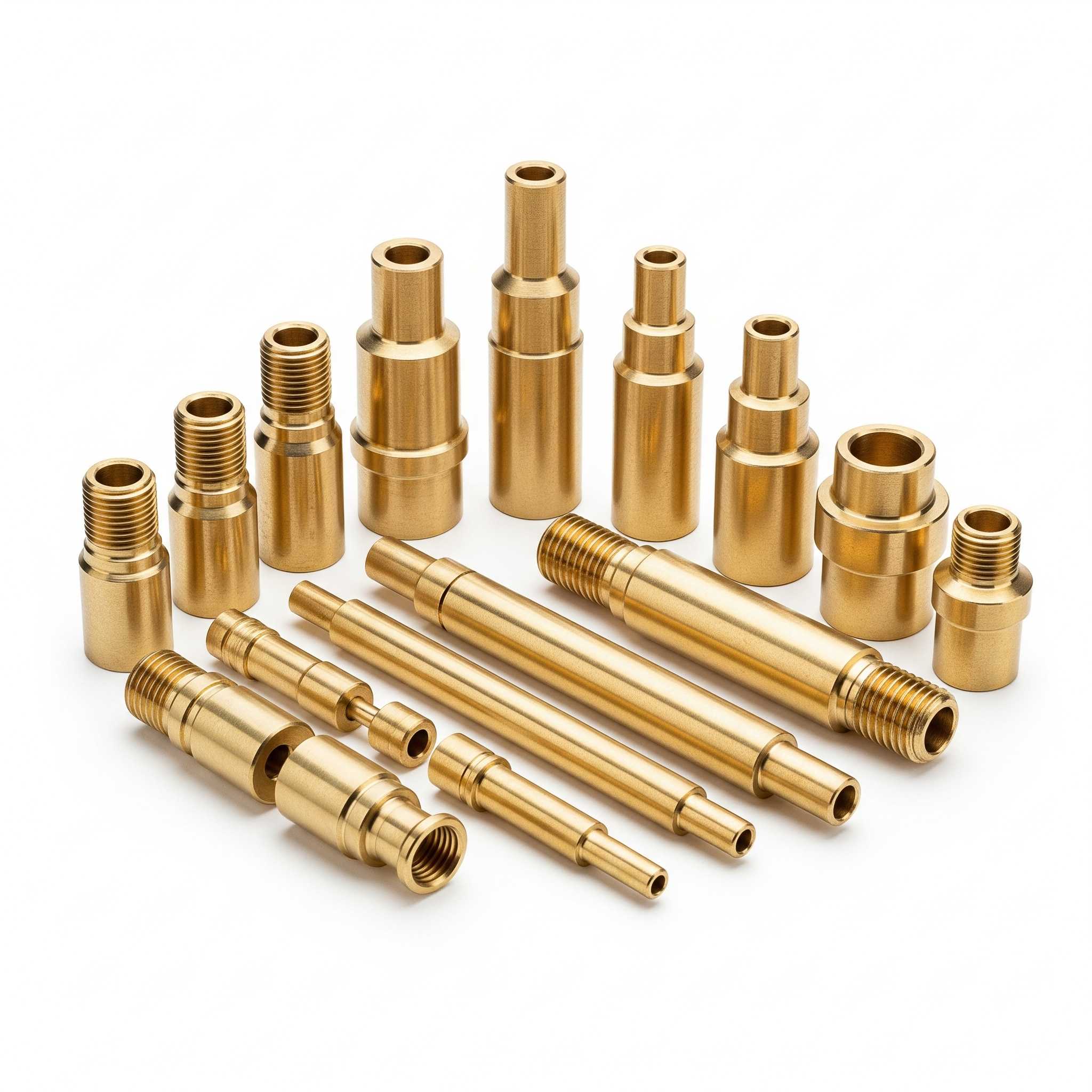
Material behavior defines machining outcome. A supplier must understand how each metal reacts under cutting load. Precision suffers when material knowledge stays shallow.
Different alloys demand different strategies. Cutting speed, tool geometry, and heat control change with material choice. A shop that treats all metals the same will struggle to hold tolerance.
Specialization matters when parts move from sample to volume. Material consistency affects tool wear and dimensional drift. A capable supplier plans around this behavior instead of reacting after problems appear.
| Material | Common Grade | Machining Characteristics | Typical CNC Turning Behavior | Commonly Produced Parts |
|---|---|---|---|---|
| Aluminum | 6061-T6 | Medium strength, good corrosion resistance, stable alloy | Predictable chip formation, low tool wear, good finish | Shafts, spacers, housings, sensor bodies, low-pressure fittings |
| Aluminum | 7075-T6 | High strength, lower corrosion resistance than 6061 | Higher cutting force, needs sharp tools, controlled feeds | Aerospace fasteners, load-bearing pins, precision connectors |
| Aluminum | 2024 | High fatigue resistance, poor corrosion resistance | Cuts clean with sharp tools, sensitive to tool wear | Aircraft fittings, structural connectors, aerospace bushings |
| Brass | C36000 | Free-cutting brass, high machinability, leaded | Excellent chip break, minimal tool wear | Threaded inserts, terminals, bushings, pipe fittings |
| Brass | C27200 | Low-lead yellow brass, compliance-driven use | Tougher cut than C36000, higher tool load | Plumbing components, electrical connectors, lead-restricted parts |
| Brass | C46400 | Naval brass, good seawater corrosion resistance | Requires controlled feeds, tougher than C36000 | Marine fittings, valve stems, pump components |
| Steel | 1018 | Low-carbon steel, good ductility | Stable cut, moderate tool wear | Pins, studs, shafts, spacers |
| Steel | 4140 | Alloy steel, high strength potential | Generates heat, slower speeds required | Drive shafts, couplings, hydraulic components |
| Stainless Steel | 304 | Austenitic stainless, general corrosion resistance | Work hardens, needs consistent feed | Sensor housings, food-grade fittings |
| Stainless Steel | 316 | Improved corrosion resistance over 304 | Tougher cut, similar work-hardening behavior | Marine fittings, chemical processing parts |
Specific Considerations for Machining Aluminum CNC Turning Parts
Aluminum machines fast but punishes poor control. High spindle speed amplifies vibration when setups lack rigidity. Thin sections deflect easily under aggressive feeds.
Heat management remains critical. Aluminum dissipates heat well, but localized buildup still shifts size. Toolpath strategy must manage chip evacuation and thermal stability.
Surface finish depends on tool condition. Worn edges smear material and degrade finish quality. A skilled shop monitors tool wear closely during aluminum runs.
Grade selection also matters. Common alloys behave predictably when the process stays controlled. Mixing grades without adjustment leads to inconsistent results.
The Value of Working with Brass CNC Turned Components Manufacturers
Brass behaves differently from aluminum under the cutter. Free-cutting grades shear clean and reduce cutting force. This allows excellent surface finish with minimal effort.
Dimensional control improves when the shop understands brass behavior. Tool pressure stays low. Heat buildup remains limited. These factors help maintain accuracy on small features.
Application knowledge matters. Brass suits components exposed to wear, electrical contact, or repeated assembly. A specialized manufacturer understands these use cases and machines accordingly.
Material expertise separates reliable suppliers from general shops. Precision depends on matching process to metal. That alignment protects quality across every batch.
Step 4: Assessing Partnership and Manufacturer Standards
A CNC turning service becomes a risk when it acts like a short-term vendor. Precision work needs continuity. A partner understands how a part behaves across repeat orders and changing volumes.
Standards define that partnership. Documented processes protect consistency. Stable setups prevent drift. Controlled change management avoids silent variation between batches. These practices matter more than marketing claims.
Communication reflects maturity. A reliable manufacturer reviews drawings before cutting. The team raises concerns early. This prevents delays caused by last-minute corrections. Silence usually hides problems.
Scaling ability also matters. Many shops perform well on small runs and fail under volume. A true partner holds the same tolerances as quantity increases. This stability protects downstream assembly and delivery schedules.
We operate with this partnership mindset. We support high-precision CNC turning parts with controlled processes and material discipline. Hiren Brass Products work as an extension of your production plan, not a transactional supplier.
If you need a CNC turning service that protects accuracy, consistency, and long-term reliability, start the conversation.