

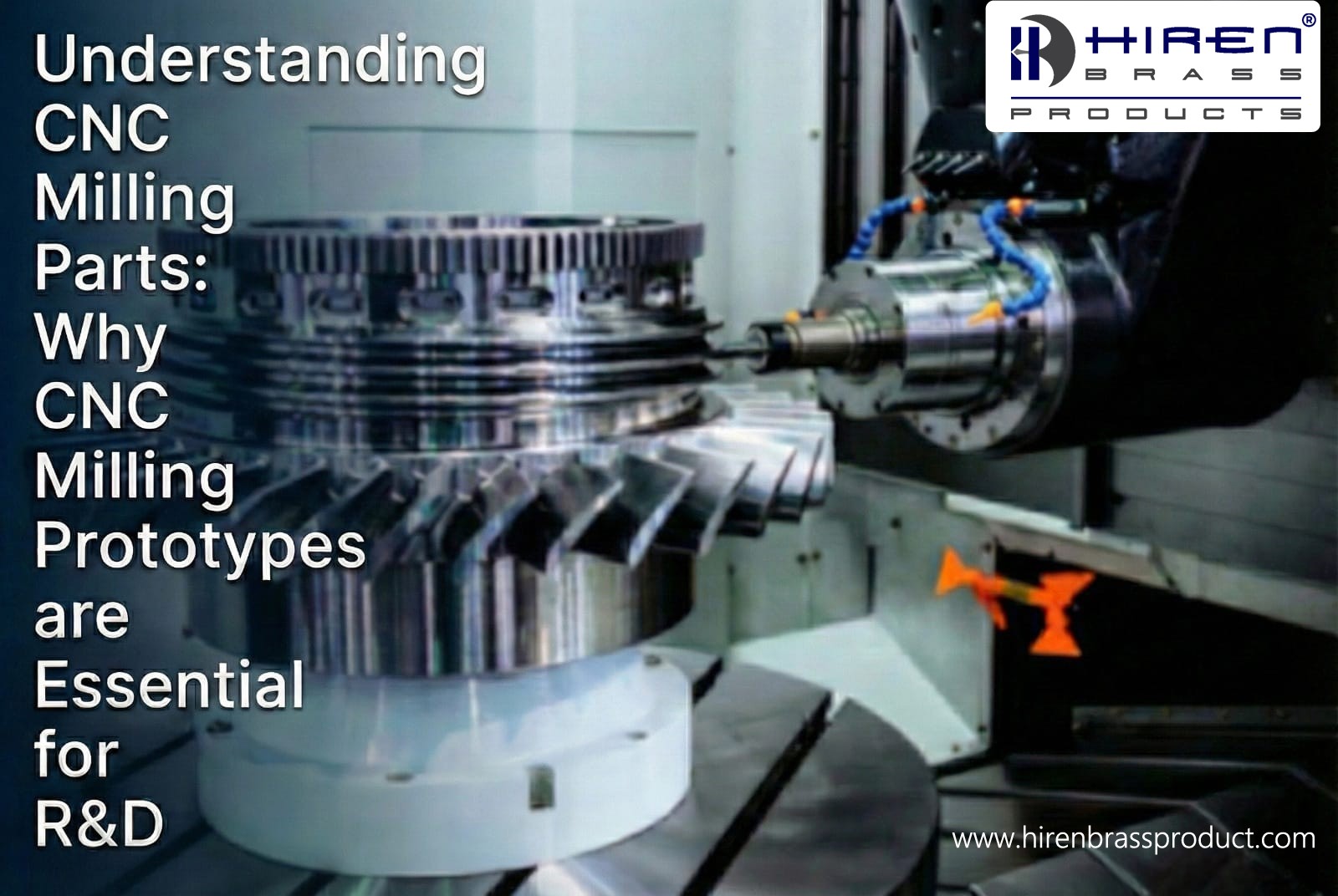
CNC milling turns ideas into real, testable for R&D. Digital models look clean on a screen, but they hide manufacturing reality. Only a physical part reveals how material behaves under load, vibration, and assembly constraints.
Engineers rely on CNC milling prototypes to validate design intent before committing to production. A milled prototype exposes weak walls, poor clearances, and alignment problems early. Fixing those issues at this stage saves time, cost, and repeated redesign later.
Prototypes also shorten development cycles. You can modify a CAD file and machine a new part quickly without building tooling. This makes iteration faster and learning more accurate. For research teams, that speed directly affects innovation.
This blog explains why CNC milling parts matter in R&D and how prototypes reduce technical risk.
The Foundation of R&D: Why Precision CNC Milling Parts Matter
R&D depends on real metal parts, not just printed models. A print can look correct but behave wrong. CNC milled parts show how the actual material reacts in the real world.
Precision matters because small errors create big problems in testing. A hole that is slightly off can misalign a sensor. A surface that is not flat can distort measurements. Tiny geometric mistakes often ruin test results even when the design looks perfect on screen.
Material behavior becomes clear only with real parts. CNC milling shows how aluminum, steel, brass, and plastics react to load, vibration, and heat in actual assemblies. In many builds, milled features must mate with brass turned parts, and that interface behavior cannot be fully predicted in software. Engineers see flex, deformation, and contact behavior only when these real parts come together.
Surface finish, flatness, and alignment directly affect how assemblies perform. Rough surfaces can cause friction. Poor flatness can shift components. Weak alignment can break mechanisms during testing.
When milled parts are inaccurate, engineers draw the wrong conclusions. They may blame the design when the real issue is poor manufacturing. That mistake wastes time, money, and development effort.
Identifying the Core Requirements for Custom Milled Parts
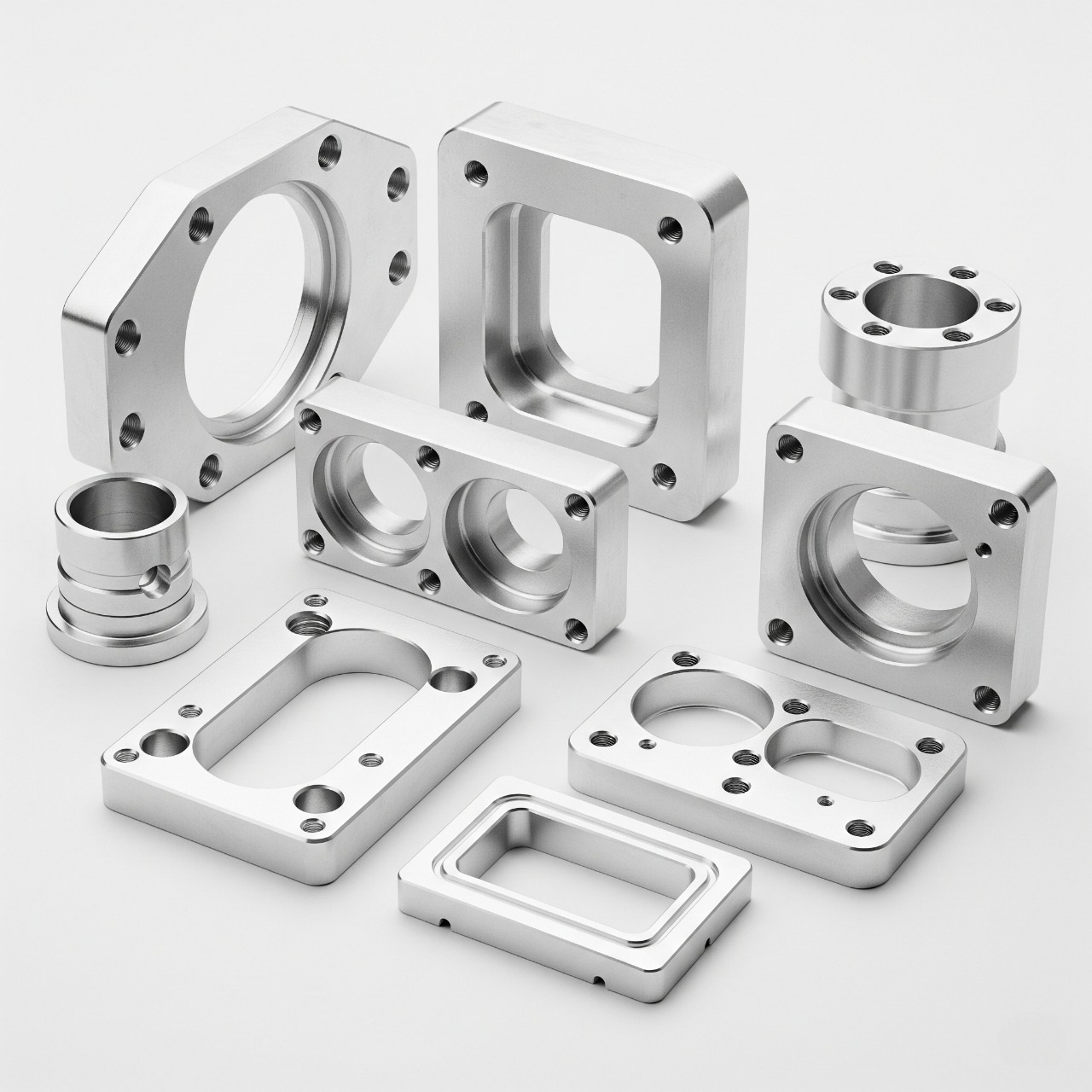
Requirement definition must happen before any machining starts. Engineers must clearly state which dimensions are critical to function. These usually include hole positions, mating surfaces, and alignment features.
Tolerances need to match real performance needs. Tight limits should apply only where function depends on them. Overly strict tolerances increase cost without improving testing value.
Flatness, parallelism, and positional accuracy deserve special attention. Parts that carry sensors, motors, and bearings rely heavily on these controls. Poor control here makes test data unreliable.
Surface finish must reflect how the part will be used. Sliding parts need smoother finishes than static brackets. Test components that contact other parts should specify finish early.
Material choice should match real service conditions. Heat, load, and vibration in testing may require different alloys than the prototype model suggested.
Engineers should separate functional zones from non-critical areas. Critical zones deserve strict control. Non-critical areas can stay looser to reduce cost and lead time.
Finally, the team must state whether the part will face load, temperature, and vibration during testing. These conditions shape every requirement that follows.
Accelerating Innovation Through Prototyping
Physical prototypes move R&D faster than simulations alone. Digital models predict behavior, but they cannot show real material response. A milled metal part exposes problems that software often misses.
Fast iteration improves learning. Engineers can machine a part, test it, and update the design in days instead of weeks. CNC milling makes this possible because it does not require expensive molds.
Small design tweaks become practical with milling. You can adjust a pocket depth, change a wall thickness, and reposition a hole and cut a new part quickly. This flexibility keeps development moving instead of stuck in long review cycles.
One real milled prototype often saves weeks of redesign later. Early testing reveals flaws before production planning begins. Fixing those flaws early prevents costly rework at scale.
Prototyping through CNC milling turns uncertainty into clear technical insight.
The Critical Role of the CNC Milling Prototype in Design Validation
A milled prototype allows fit checks inside real assemblies. Engineers can mount the part and see whether clearances actually work. Interference issues appear immediately when components do not align.
Functional testing becomes possible under real loads. The part can face vibration, temperature, and mechanical stress instead of only virtual conditions. This exposes weaknesses that simulations rarely predict.
Prototypes also reveal alignment problems. Slight misalignment in mounting surfaces and holes becomes visible during assembly. Catching this early prevents cascading errors in later stages.
Thin walls and weak sections show their limits in real use. A prototype may flex, chatter, or crack where the CAD model looked safe. Seeing this behavior guides stronger, safer redesigns.
Each test cycle improves confidence in the design. By the time production starts, engineers already know how the part behaves in reality.
A CNC milling prototype closes the gap between concept and proven performance.
Strategic Production: Small Batch and Custom Machining
Small batch CNC machining fits perfectly after prototypes. It lets engineers move from learning to controlled production without jumping too fast. You get real CNC Parts, real performance, and real process behavior before scaling.
Small batches validate manufacturability in the real shop environment. You see whether the design runs smoothly on actual machines, not just in theory. Setup stability, tool access, and repeatability become clear at this stage.
Running limited quantities reduces risk compared to full mass production. If a design still needs changes, the impact stays small. You avoid scrapping thousands of parts because you caught problems early.
Custom machining supports iterative R&D cycles naturally. Engineers can adjust features, rerun a batch, and test again quickly. This keeps development aligned with manufacturing reality instead of drifting apart.
Small batch production acts as a bridge between prototype and full-scale manufacturing.
Assessing the Benefits of Small Batch CNC Machining for Development
Small batches deliver faster learning than tooling-based production. You do not wait weeks for molds, dies. You cut parts, test them, and refine the design in a short loop.
You can refine features between batches with ease. Wall thickness, pocket depth, and hole position can change without heavy rework. Each new batch becomes smarter than the last.
Scrap risk stays low compared to full production. If something goes wrong, you lose dozens of parts instead of thousands. This protects both timeline and resources.
Design updates remain simple and flexible. You adjust the CAD model and machine the next set without expensive tooling changes. Development speed stays high instead of slowing down.
Small batch machining matches engineering speed with manufacturing speed. Teams move forward together instead of waiting for each other.
Quality Assurance and Inspection Technology for CNC Milling Parts
Quality matters more than speed in R&D parts. In-process checks catch errors before scrap builds up. Flatness, hole position, and critical dimensions get verified during the run.
Proper measuring tools support tight features. Micrometers, gauges, and probes give reliable data instead of guesses. Recorded inspection results keep every batch traceable.
Consistent quality makes test results trustworthy. When parts repeat accurately, engineers can trust what they learn.
Get Precision-Engineered Custom Milled Parts at Hiren Brass Products
Hiren Brass Products machine custom milled parts to your drawing. We support prototypes and small batches with controlled processes. Every run follows clear inspection steps so each part matches your requirement.
If you need CNC milling parts and work with a supplier that treats precision seriously.