
Brake system upgrades often create connection problems. New calipers, braided lines, and aftermarket components rarely match the original brake lines fittings. Thread sizes and flare types can differ between parts.
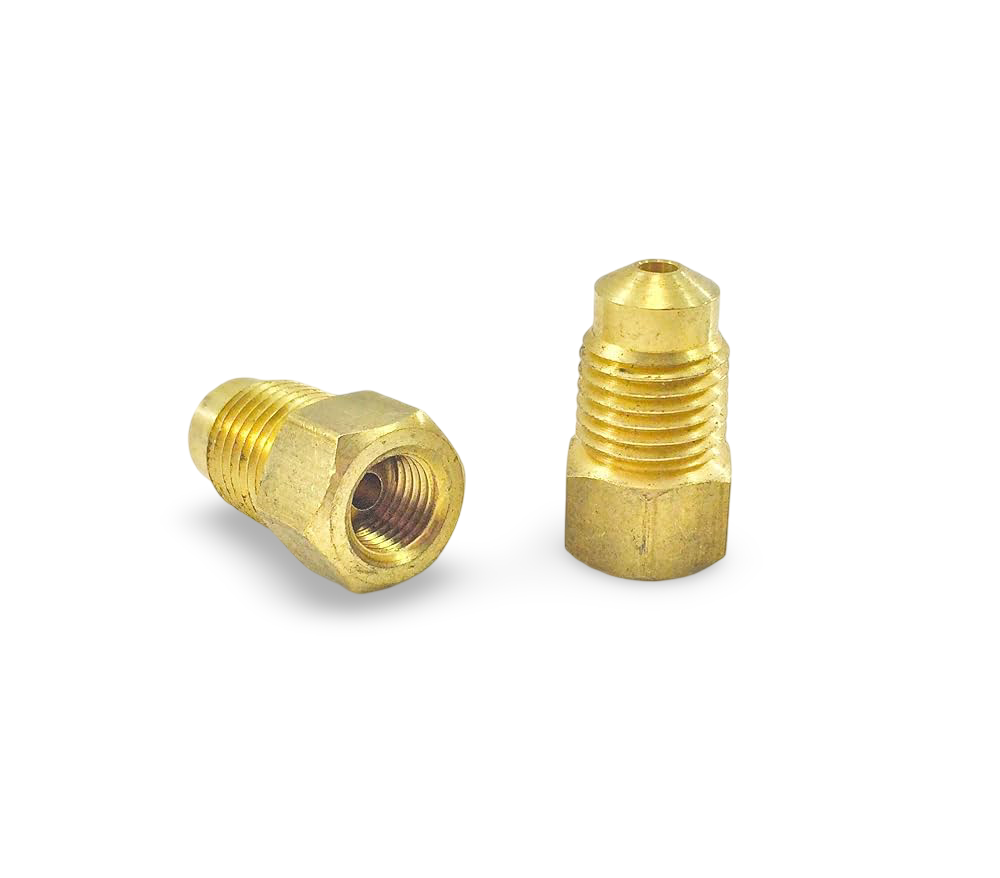
Brake line adapters solve this problem. They allow different fittings to connect without replacing the entire brake plumbing. This helps builders upgrade performance parts while keeping the existing brake lines.
These adapters come in several forms, including flare elbow, tee, banjo bolt, brake line union, thread reducer, and conversion fitting used to connect different brake line standards.
Performance builds, race cars, and restoration projects often depend on these small components. The correct adapter keeps the system sealed and reliable under high hydraulic pressure.
This article explains five practical ways brake line adapters are used in performance upgrades.
1. Caliper Conversions: Bridging the Gap Between Brands
Brake upgrades often involve installing calipers from a different manufacturer. The new caliper may use a different thread size and fitting standard than the original brake line. This creates a connection mismatch.
Brake line adapters solve this problem. They allow the existing brake line to connect to the new caliper without replacing the entire line. This keeps the upgrade simple and reduces modification work.
Performance brake systems commonly mix components from different brands. Correct adapters maintain a secure seal and safe hydraulic connection. Precision machining and correct thread standards are critical in these situations.
Adapting AN Fittings to Metric Brake Line Sizes
Many performance brake systems use AN fittings on braided brake lines. Factory brake systems often use metric threads and bubble flare connections. These two standards do not connect directly.
An AN-to-metric adapter allows the performance line to connect safely to the factory brake port. This small component prevents leaks and keeps the braking system under proper hydraulic pressure.
Correct flare compatibility is important. AN fittings use a 37-degree flare, while many metric brake systems use bubble flares. The adapter must match both thread type and sealing surface to avoid failure.
2. Handling High Hydraulic Pressure in Brake Systems
Brake systems operate under very high hydraulic pressure. Hard braking can create pressure spikes that stress fittings and connections. Weak adapters can leak under these conditions.
Brake line adapters must maintain a secure seal while handling this pressure. Precision threads and correct flare seats keep the connection stable. incorrect thread standards increase the risk of fluid leaks.
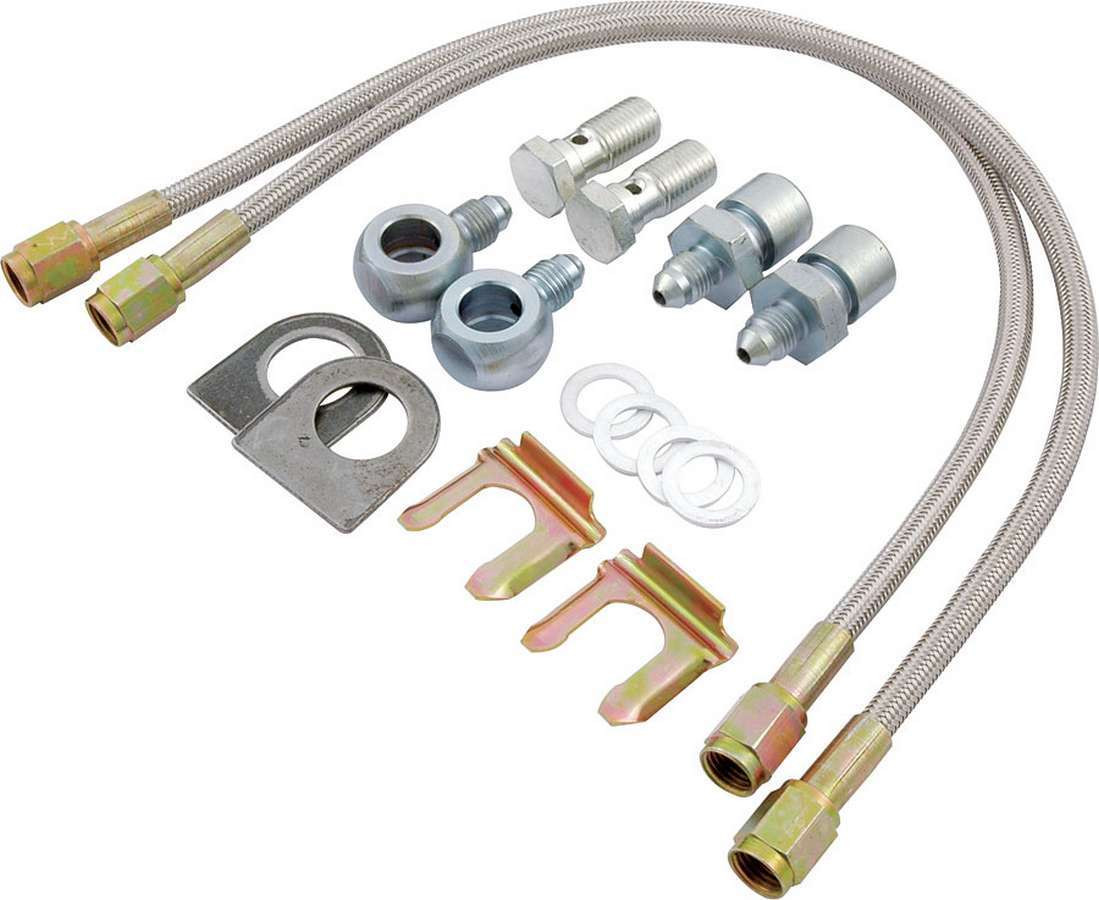
Performance upgrades often use braided brake lines and aftermarket calipers. These systems still depend on small fittings to keep fluid transfer reliable. A properly machined brake line adapter helps maintain safe pressure handling during aggressive braking.
3. Custom Brake Line Plumbing
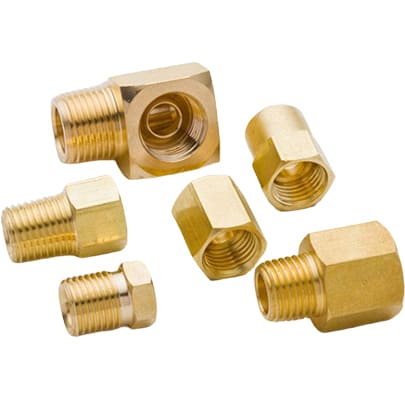
Custom builds rarely follow the factory brake line routing. Engine swaps, race chassis, and modified suspension layouts often require new brake line paths. Standard brake tubes may not reach the new component locations.
Brake line adapters and brake line unions help reroute hard brake lines. Builders can add new sections of tubing while maintaining the correct thread and flare type. This keeps the brake system clean and serviceable.
Careful plumbing also improves reliability. Properly aligned fittings reduce stress on the brake line during vibration and heat cycles. Clean routing prevents sharp bends that restrict fluid flow.
Using a Metric Brake Line Union for Clean Hard-Line Extensions
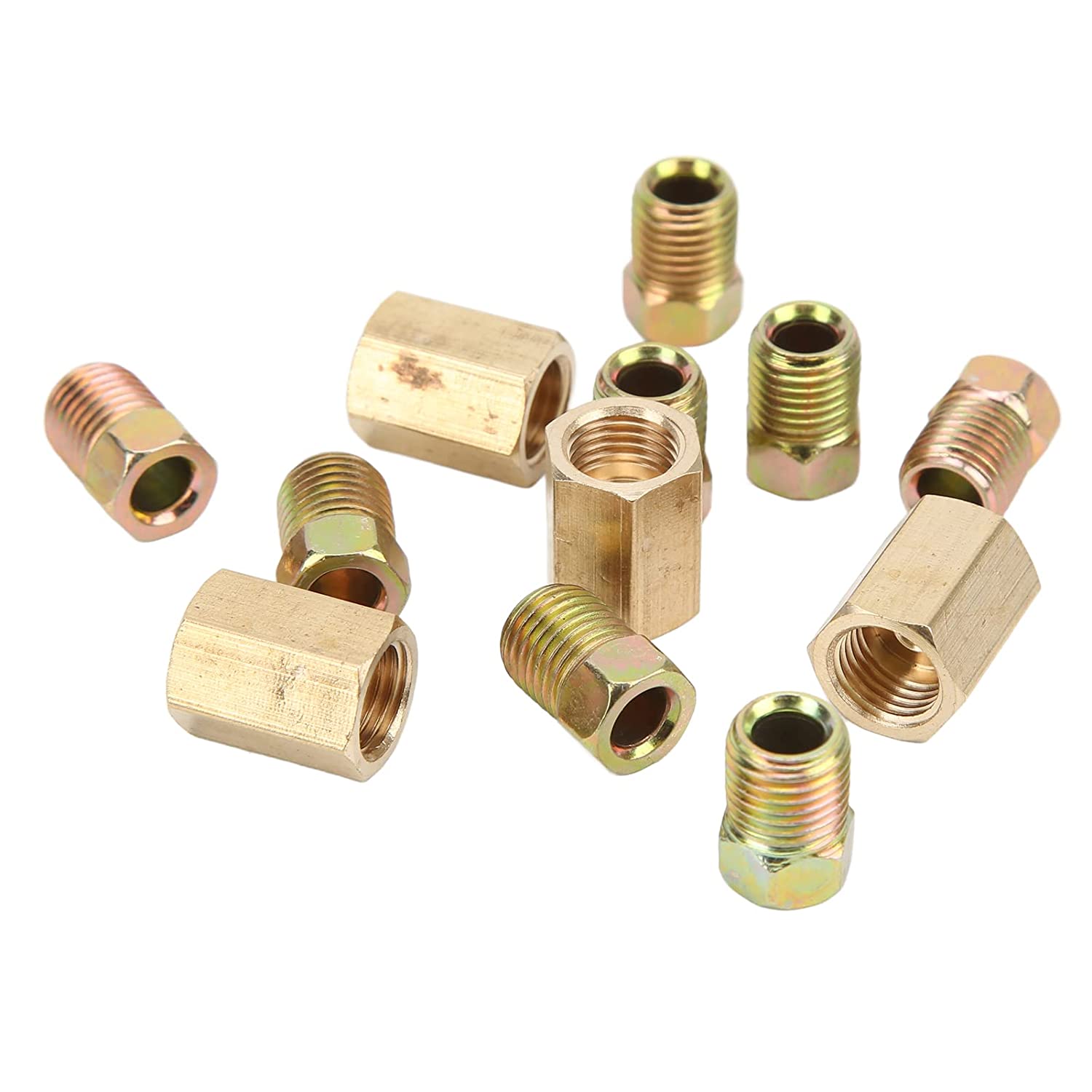
Brake line extensions are common in custom builds. New brake components may sit farther from the original hard line. In these cases, builders extend the line instead of replacing the entire system.
A metric brake line union connects two hard brake tubes with the same thread and flare type. This fitting creates a secure joint while keeping the brake system sealed under pressure. Proper unions maintain the same internal diameter so fluid flow stays consistent.
Precision machining is important for these fittings. The threads must match exactly, and the flare seat must seal correctly. Poorly made unions often cause small leaks that appear during high-pressure braking.
4. Material Strength and Heat Resistance in Brake Line Adapters
Brake systems operate close to high heat sources such as rotors and exhaust components. Temperature changes and vibration place constant stress on small fittings. Weak materials can fatigue over time and cause leaks.
Brake line adapters must handle both pressure and heat. Strong materials maintain thread integrity and sealing surfaces even after repeated thermal cycles. This helps keep the brake system reliable during aggressive driving.
Manufacturing quality also matters. Proper machining ensures that threads engage correctly and that sealing surfaces remain smooth. When materials and machining are correct, the adapter maintains a stable connection under demanding conditions.
The Advantage of Precision-Machined Metric Brake Line Nuts
Metric brake line nuts secure hard brake tubing to flare elbow, adapters, unions, and calipers. These small components must hold the line firmly while maintaining the correct flare seal. Poor thread accuracy often leads to leaks.
Precision machining improves thread fit and torque stability. Clean threads allow the nut to tighten evenly against the flare seat. This creates a reliable seal without damaging the brake line.
High-quality brake line nuts also resist vibration and repeated heat cycles. Stable material and accurate machining help maintain a secure connection over long periods of use.
Upgrading Classic Brake Systems with Modern Fittings
Many classic vehicles use SAE brake fittings with inverted flare connections. Modern performance components often use metric threads and bubble flare ports. When builders install newer calipers, hoses, and master cylinders, the fittings do not match the original brake lines.
Brake line adapters make these upgrades possible. They connect modern components to existing brake plumbing without replacing the entire system. This helps preserve the original layout while improving braking performance.
Correct thread pitch and flare type must match both sides of the connection. A properly machined adapter maintains sealing and hydraulic pressure inside the brake system.
Integrating Metric Brake Fittings into SAE Systems
A metric-to-SAE brake adapter converts both thread type and sealing surface. One side matches the SAE inverted flare used in the original brake line. The other side matches the metric port on the new component.
This small fitting allows modern brake parts to work with older plumbing. Builders can install upgraded calipers without redesigning the entire brake line system.
When the adapter is machined correctly, the connection stays sealed under braking pressure and vibration.
Sourcing High-Performance Components from Hiren Brass Product
Performance brake upgrades depend on small components that must work under pressure and vibration. Brake line tee, adapters, unions, and fittings must have precise threads and correct sealing surfaces. Poor machining can lead to leaks and unsafe braking conditions.
A reliable manufacturer focuses on dimensional accuracy, proper materials, and consistent machining quality. These factors ensure the fittings connect correctly and maintain hydraulic pressure in demanding applications.
At Hiren Brass Product, we manufacture precision brake line adapters, unions, and metric brake fittings for performance and custom automotive systems. Each component is machined to maintain reliable thread engagement and sealing performance.