
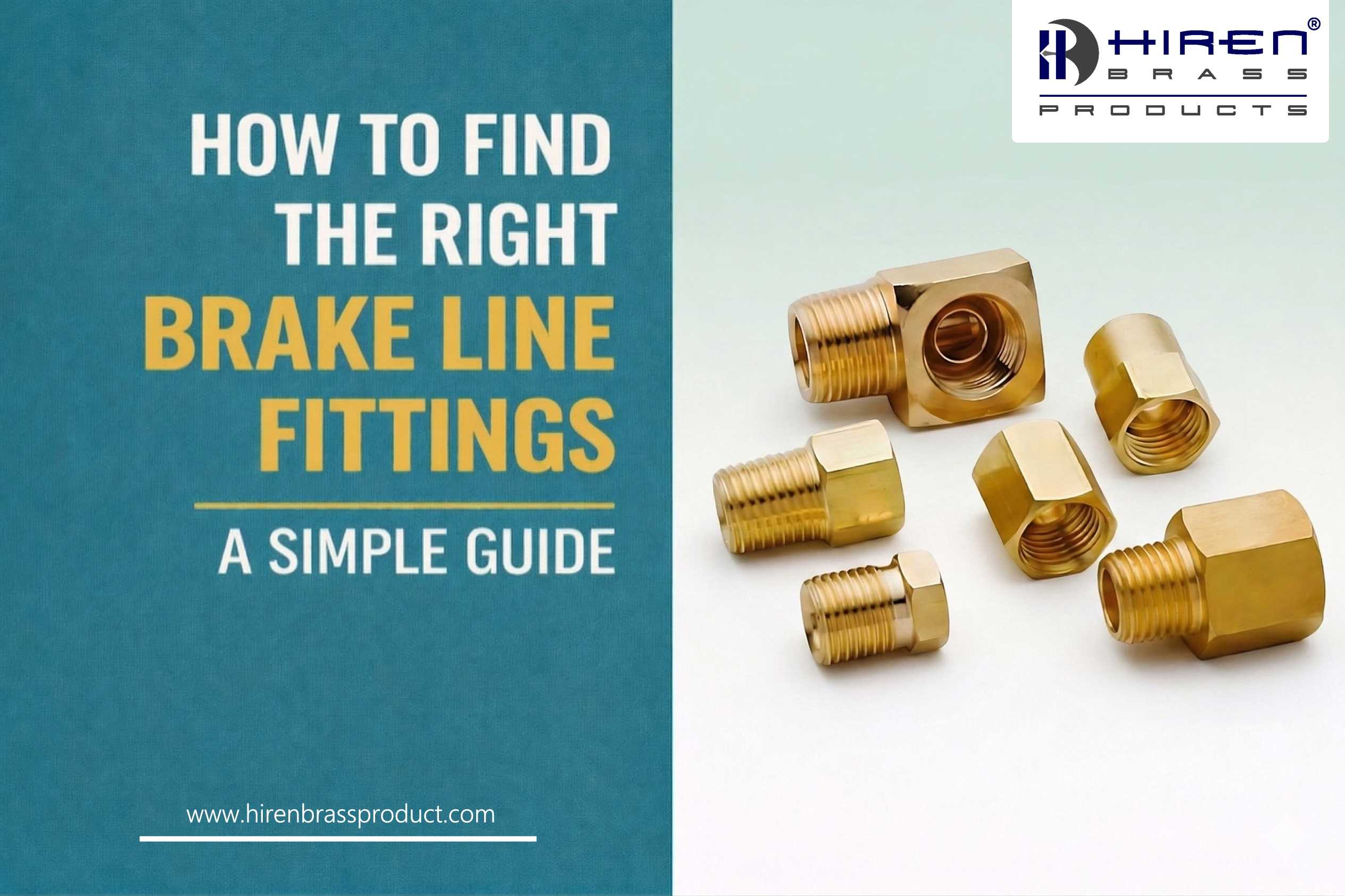
Brake line fittings look similar at first, but small differences change how the joint seals. A wrong fitting may tighten fully and still leak under pressure. The flare shape matters before the thread size because two fittings with similar threads may seat in different ways.
Many repair problems start when the old fitting is identified by eye only. Inverted flare, bubble flare, and other types often look close until the end shape is checked carefully.
This guide explains the common fitting types, how to identify them, what to measure, and which buying mistakes create problems during repair.
What Are the Most Common Brake Line Fittings?
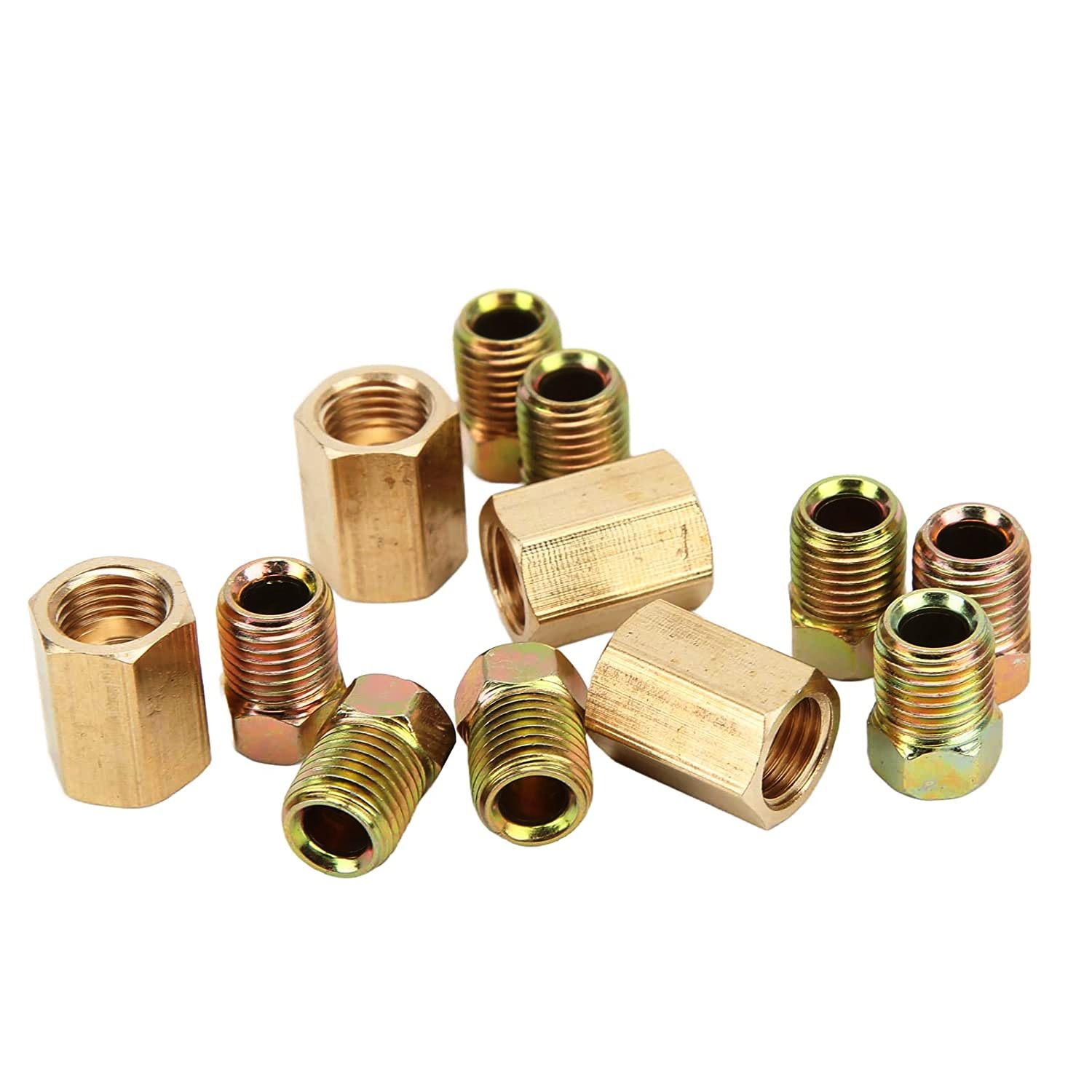
Brake systems use different fitting types because the sealing seat changes from one design to another. The flare at the tube end decides which fitting will seal correctly. Thread size alone does not confirm a match because many fittings use similar thread diameters with different seat shapes.
Some fittings are common in standard road vehicles. Others appear only in modified systems. The safest way to identify them starts with the flare type.
Inverted Flare, The Standard Choice
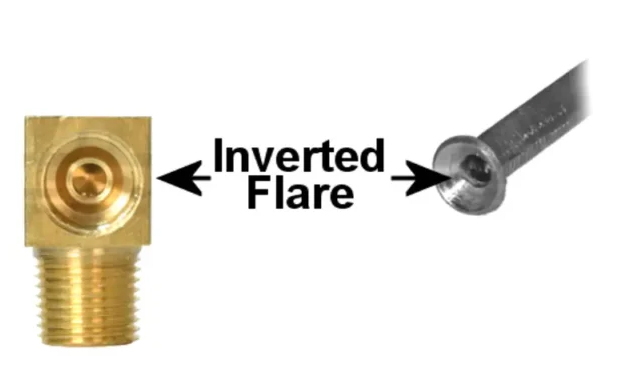
Inverted flare fittings are common in many SAE brake systems. They use a 45 degree double flare at the tube end. This shape folds the tube edge inward and creates a strong seat under brake pressure.
Many older American vehicles use this fitting type with 3/16 inch brake line. The design holds pressure well when the flare is formed correctly.
Bubble Flare, The Metric Choice
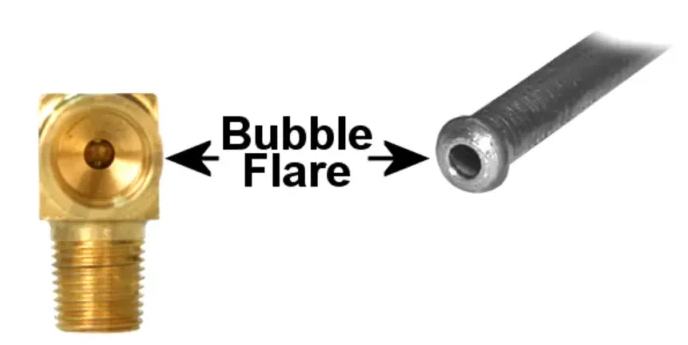
Bubble flare fittings are common in many European and Asian vehicles. The tube end forms a rounded flare instead of folding inward. This shape seals against a different seat than an inverted flare.
Most bubble flare fittings use metric thread nuts. The flare shape must match exactly because thread fit alone does not create the seal.
AN Fittings, The High-Performance Choice
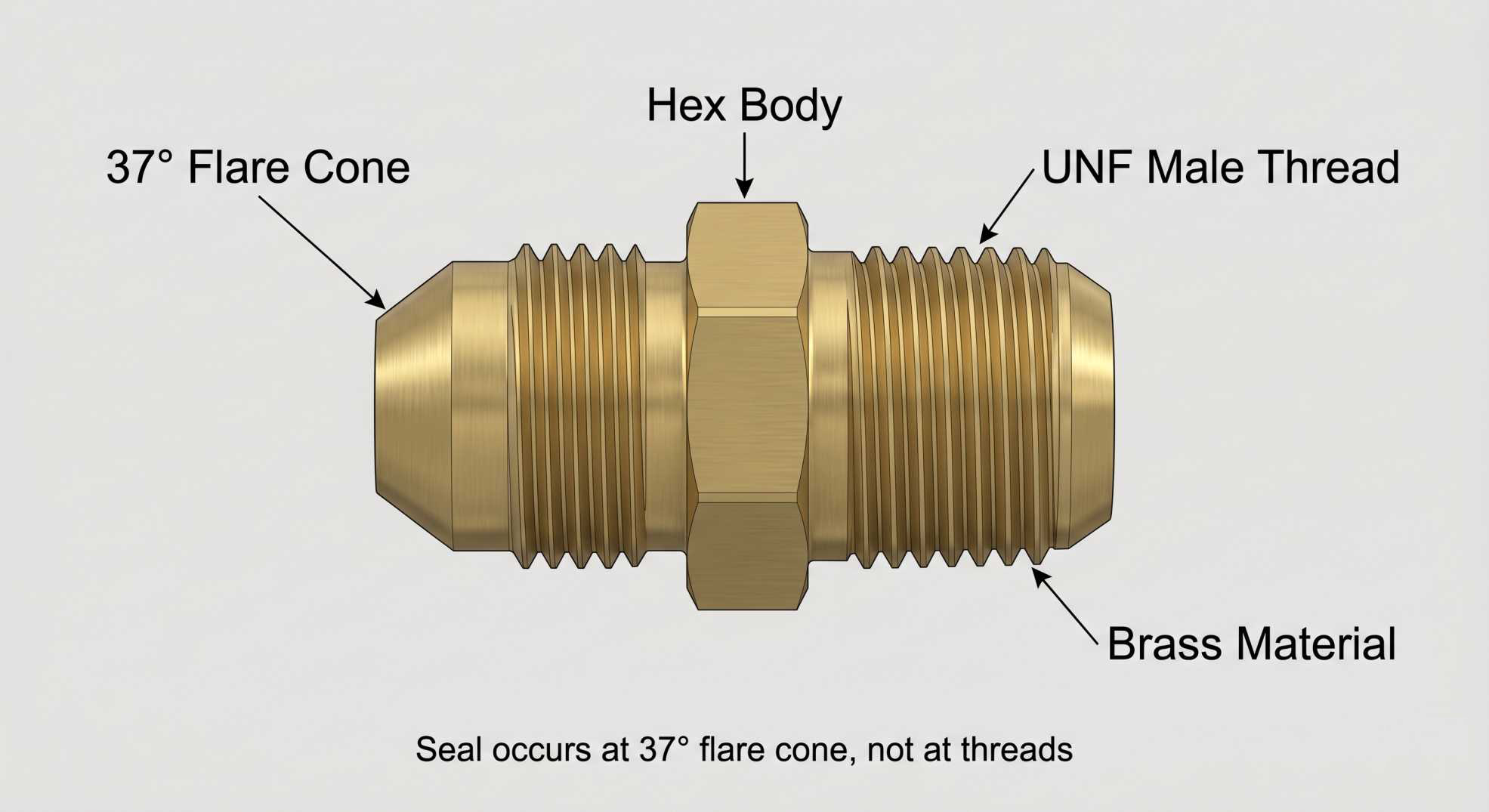
AN fittings are common in racing and modified brake systems. They use a metal-to-metal seat and need exact matching parts on both sides.
These fittings often connect braided brake hoses in aftermarket setups. They work well under high pressure, but they do not belong in standard brake line replacement unless the full system uses the same standard.
Compression Fittings, The "Emergency Only" Choice
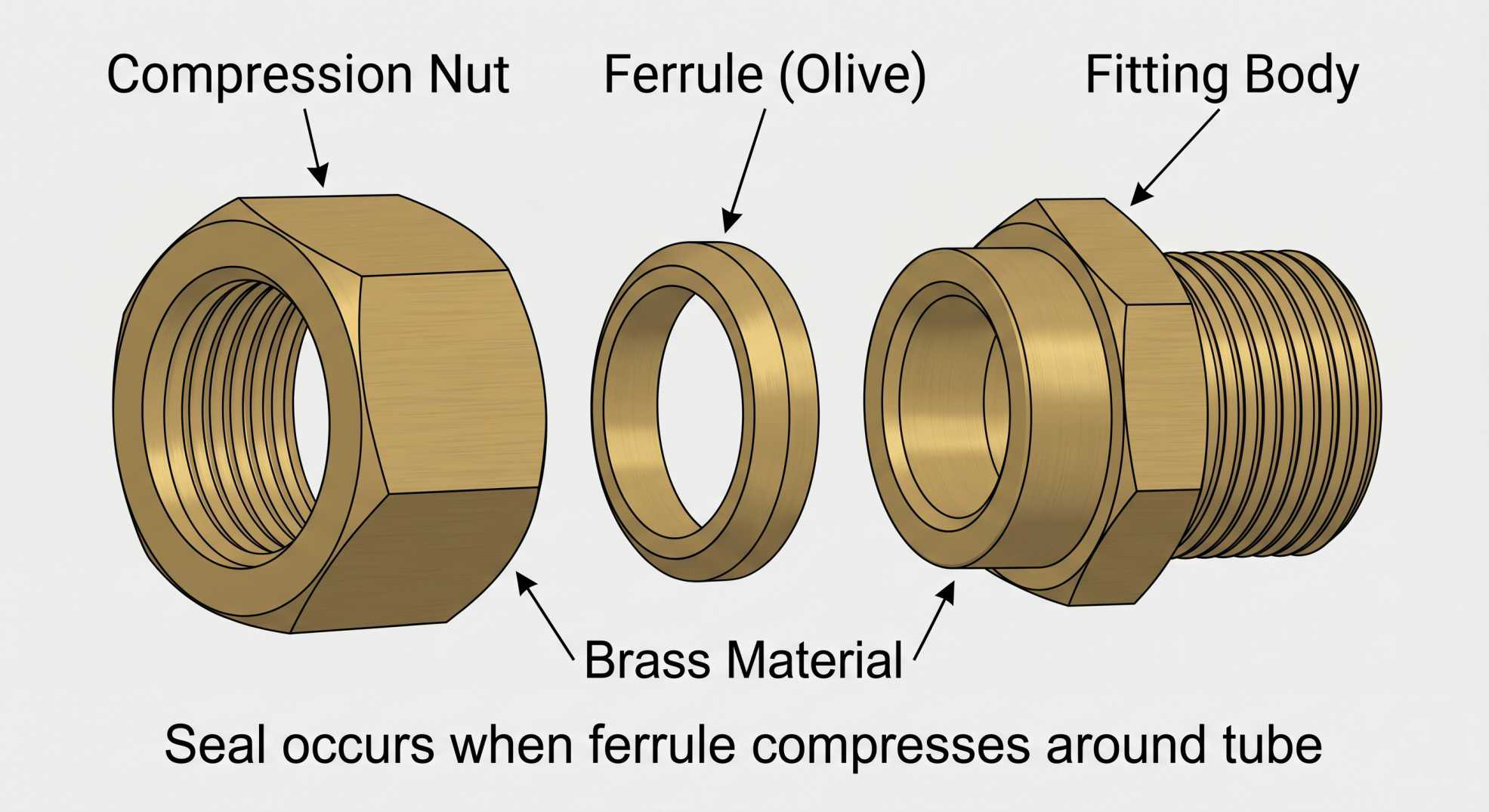
Compression fittings are usually used when a damaged line needs temporary repair. They seal by tightening a sleeve around the tube instead of forming a flare.
Many technicians avoid them for permanent brake repairs. A brake line carries repeated pressure, so a formed flare remains the safer long-term choice.
A Quick Comparison Table: Sizes and Types
| Fitting Type | Flare Type | Common Thread | Common Use |
|---|---|---|---|
| Inverted flare | 45° double flare | 3/8-24 UNF on many 3/16 inch lines | Common in many SAE brake systems |
| Bubble flare | ISO bubble flare | M10 × 1.0 on many 4.75 mm lines | Common in many metric brake systems |
| AN fitting | 37° flare | AN size such as -3 AN | Used in racing and aftermarket brake lines |
| Compression fitting | No flare seat | Varies by fitting design | Temporary brake line repair only |
The flare type decides how the fitting seals. Thread size must still match because similar diameters do not guarantee correct seating. Tube size should always be checked before buying a replacement fitting.
3 Easy Steps to Identify Your Fitting
Brake line fittings should be identified before buying any replacement part. Many fittings look similar until the flare, thread, and tube size are checked together. A quick visual check usually prevents the most common mismatch.
Step 1: Look at the Shape of the End (The Flare)
The flare shape gives the first clear answer. An inverted flare has a folded cone shape. A bubble flare has a rounded end.
This difference decides which fitting seat will match the tube. Two fittings may use similar threads and still fail if the flare shape is wrong.
Check the old line directly before removing the fitting. A damaged flare can hide the original shape, so inspect the cleanest section possible.
Step 2: Check if the Threads are Metric or Standard
Thread diameter alone does not confirm the fitting type. Metric and standard threads often look close at first glance.
Thread pitch must also match. A fitting may start by hand and still stop before full seating if the pitch is wrong.
Wrong thread pitch damages the fitting seat before the joint fully tightens. That creates a leak even when the flare looks correct.
Step 3: Measure the Tube Size
Tube size gives the final check before purchase. Most passenger vehicle brake lines use 3/16 inch tube. Some larger systems use 1/4 inch tube.
Measure the outer diameter of the tube, not the inside hole. A small size difference changes which fitting nut and flare tool will fit correctly.
Why Using High-Quality Brass Fittings Matters
Brake line repairs often use brass in brake line unions, adapters, joining fittings, and brake line tee. Brass machines clean and holds thread detail well. That helps when a replacement fitting must seal against an existing brake line.
Material quality also affects how the fitting behaves after long service. A poorly machined fitting may tighten unevenly and damage the flare seat during installation.
Better Protection Against Rust
Brass does not form rust like plain steel repair fittings. Surface condition stays more stable when the fitting sits under the vehicle for long periods.
This matters in wet roads and salt exposure. Rust on a steel fitting often starts near the thread and sealing area. Once corrosion builds, removal becomes harder during later repair.
Preventing Leaks Under Pressure
A brake fitting seals only when the flare seat matches correctly. Material alone does not stop leakage.
High-quality brass helps because the seat surface stays clean and dimensionally consistent. That improves contact between the flare and fitting.
A wrong flare still leaks even when the fitting material is correct. The tube end, thread fit, and seat shape must all match before final tightening.
Common Mistakes to Avoid When Buying Fittings
Many buying errors start when only the old thread is checked. A fitting may screw in part way and still fail because the flare type does not match.
Mixing metric and SAE fittings creates the same problem. The thread may feel close, but the pitch stays different and the seat does not align correctly.
Tube size is another common mistake. A fitting made for 3/16 inch tube will not seal correctly on 1/4 inch line.
Some buyers also replace only the fitting and ignore the condition of the old flare nut. If the thread is worn or damaged, the new fitting will not seat correctly under pressure.
Choosing the Right Part for a Safe Repair
A safe repair starts with the old fitting in hand. Compare the flare shape first. Then check the thread and tube size before ordering a replacement.
Inspect the sealing seat carefully. A damaged seat will leak even when the new fitting size looks correct. Replace the flare nut if the thread shows wear and distortion.
Use the correct flaring tool before final assembly. A clean flare gives more sealing reliability than extra tightening force.
At Hiren Brass Product, fitting production follows thread accuracy, material control, and dimensional checks for brass unions, adapters, and custom brake line components.
Send your drawing or sample for RFQ.