

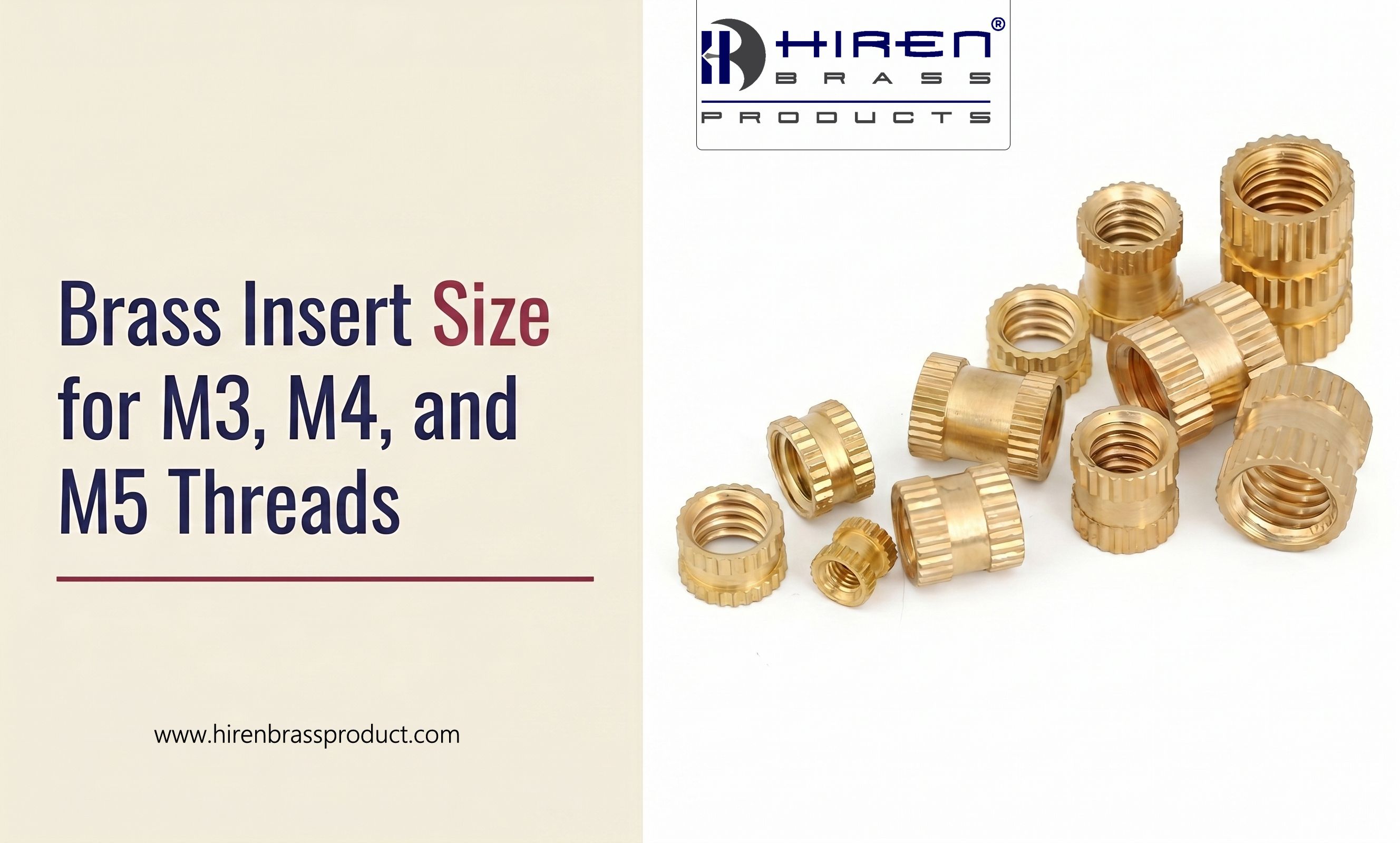
Selecting the right brass insert size is important for achieving strong and reliable threads in plastic and 3D printed parts. Many users know they need an M3, M4, or M5 thread, but choosing the correct insert dimensions and installation hole size is equally important. Using the wrong insert size can cause installation problems, reduce thread strength, and damage the surrounding plastic.
Understanding insert dimensions and hole size requirements helps avoid specification errors when communicating requirements to brass inserts manufacturers.
This guide explains common brass insert sizes for M3, M4, and M5 threads, recommended hole sizes, and key factors to consider when selecting a brass insert.
Why Brass Insert Size Matters
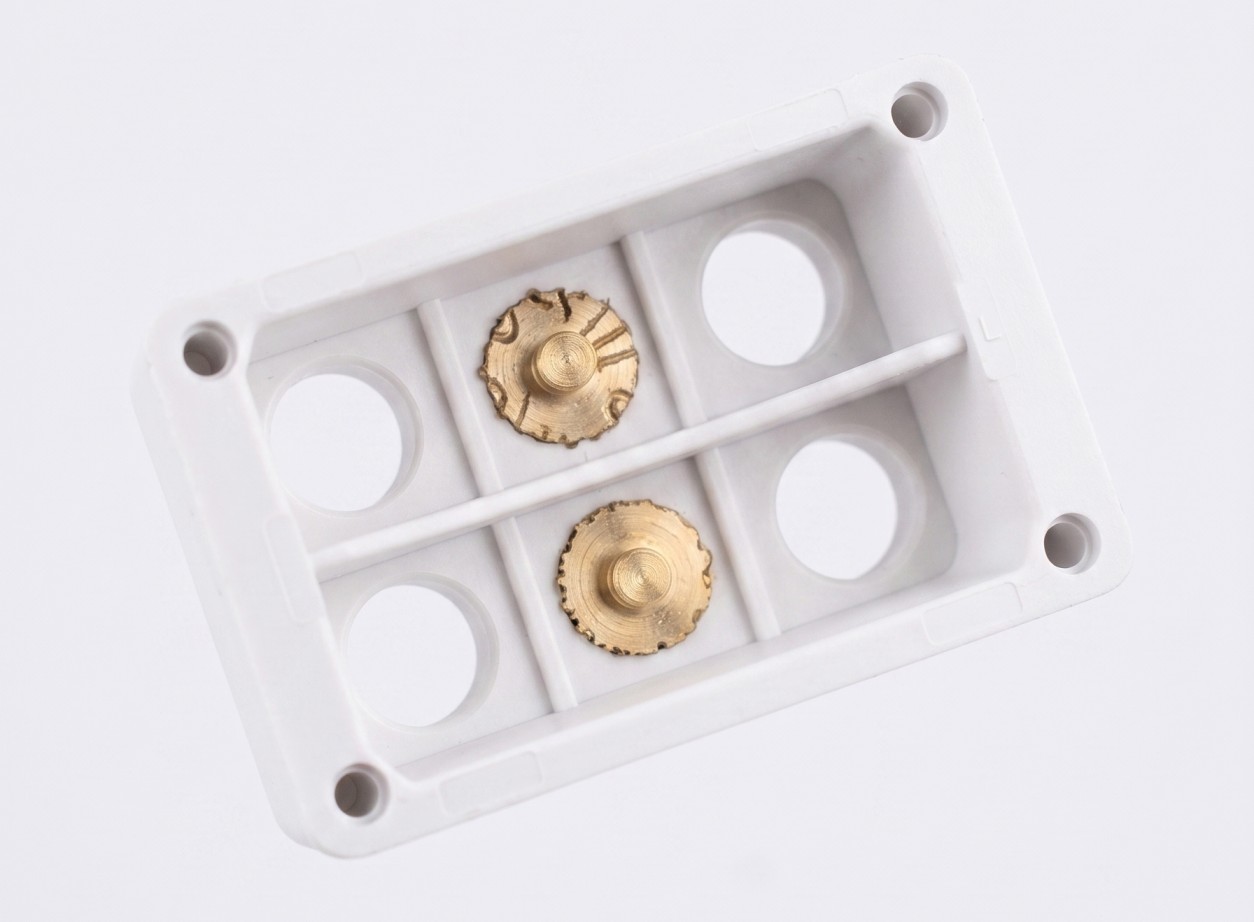
When selecting a brass threaded inserts for plastic, thread size is not the only factor to consider. Insert outside diameter, insert length, and installation hole size also affect performance and holding strength.
If the insert size is too small, thread engagement and pull-out strength may be reduced. If the insert is too large for the available wall thickness, it can crack plastic parts, split 3D printed components, and reduce wall strength.
Choosing the wrong hole size can also create problems. A hole that is too large may result in a loose fit and poor retention, while a hole that is too small can make installation difficult. Selecting the correct insert size and hole size helps improve holding strength, durability, and long-term reliability.
Brass Insert Size Chart for M3, M4, and M5 Threads
When selecting a brass heat-set insert, the thread size alone is not enough. The insert outside diameter and recommended installation hole size are also important. An M3 insert does not use a 3 mm installation hole because the insert body is larger than the internal thread size.
The table below shows common reference dimensions for heat-set brass inserts used in thermoplastics such as PLA, PETG, ABS, and Nylon. Actual dimensions may vary between insert designs and suppliers. The pilot hole sizes below refer to the installation hole for heat-set brass inserts in plastic parts. These are not tapping drill sizes used for cutting M3, M4, or M5 threads.
| Internal Thread | Typical Insert OD | Typical Pilot Hole Size |
|---|---|---|
| M3 | 4.4 mm | 4.0 mm |
| M4 | 6.1 mm | 5.6 mm |
| M5 | 7.1 mm | 6.4 mm |
These dimensions should be used as reference values during design. Always check the specifications of the brass insert being used before finalizing the hole size.
How to Determine the Hole Size for Heat Set Brass Inserts
Heat set brass inserts are typically installed into a smaller hole then outside diameter. This interference fit allows the heated insert to melt into the surrounding plastic, and when material cool down it creates a secure mechanical bond.
For example, a common M3 heat set insert may have an outside diameter of approximately 4.4 mm and use a 4 mm installation hole. The exact dimensions depend on the insert design.
Too large hole may reduce insert retention and pull-out strength. A hole that is too small can hard to install and it will damage surrounding plastic. For best results, use the hole size recommended for the specific insert being used.
Types of Brass Inserts for Plastic and 3D Printed Parts
Heat Set Brass Inserts
Heat set inserts feature internal machine threads and external knurls. They are the most common type used in 3D printed parts. During installation, heat is applied to the insert, allowing it to melt into the surrounding plastic. Heat set inserts are commonly chosen for strong retention, durability, and repeated assembly and disassembly. They are suitable for PLA, PETG, ABS, and Nylon parts.
Press-Fit Inserts
Press-fit inserts feature sharp external knurls that grip the surrounding plastic. They are installed by pressing the insert into a pre-sized hole and do not require heat. Press-fit inserts are commonly used when fast installation, low equipment cost, and simple assembly are important.
Ultrasonic Inserts
Ultrasonic inserts are installed using ultrasonic vibration equipment. The vibration generates heat that softens the surrounding plastic, allowing the material to flow around the insert and lock it in place as it cools. Ultrasonic inserts are commonly used in high-volume plastic manufacturing because they provide fast installation and strong insert retention.
How to Install Brass Inserts Correctly
Proper installation is important for achieving maximum thread strength and insert retention. Always use the recommended hole size for the insert being used. A proper hole size is important for accurate installation. If the hole is too large or too small, it can create installation problems.
For reliable thread engagement, brass inserts for plastic should be installed straight and precisely aligned with the hole to prevent thread misalignment.
Also avoid excessive force during installation, especially with press-fit and heat-set inserts. For heat-set inserts, allow the plastic to cool completely before applying load to the threaded connection.
For a detailed installation guide, read our article on How to Use Brass Inserts in 3D Printed Parts.
Frequently Asked Questions
What is the difference between heat-set and press-fit brass inserts?
Heat-set inserts are installed using heat, while press-fit inserts are installed by pressing them into a hole. Heat-set inserts are more common in 3D printed parts and press-fit inserts are often used for fast installation required.
Are brass inserts reusable after repeated screw removal?
Yes, generally. Brass inserts are designed for repeated assembly and disassembly, and they last longer than tapped plastic threads. They can still wear out if the screw is over-tightened many times.
Do brass inserts work better than tapped threads in plastic parts?
Usually yes, especially for repeated fastening. Brass inserts provide a stronger and more durable thread than tapped plastic threads. Tapped threads may still work for low-load and one-time use, but inserts are better when the joint must be opened and closed many times.
Do brass inserts need special tools for installation?
It depends on the insert type. Heat-set inserts usually require a soldering iron tool. Press-fit inserts can be installed using a press or simple installation tools. Ultrasonic inserts require ultrasonic equipment.
When should I choose a flanged brass insert instead of a non-flanged insert?
Flanged inserts are commonly used when additional pull-out resistance is needed. The flange helps distribute the load over a larger area of the plastic part.
Conclusion
Selecting the correct brass insert size helps achieve reliable threads in plastic and 3D printed parts. M3, M4, and M5 inserts are available in different designs, so always verify the recommended dimensions before finalizing a design.
We are an OEM custom brass insert manufacturer according to customer drawings and requirements, including different knurl patterns, thread sizes, and insert designs