


When you are sourcing brass threaded inserts for your application, you need to confirm that the insert will match the component design, mating fastener, installation method, and operating conditions. A matching thread size alone is not enough. Insert dimensions, brass grade, surface finish, and retention requirements also need to meet the application specifications.
In this blog, we'll cover how to compare insert types, check thread standards and dimensions, verify brass material and compliance requirements, and assess loads, vibration, temperature, moisture, and chemical exposure. We’ll also cover supplier quality, customization, repeat-order capability, pricing, minimum order quantities, and delivery terms. These checks help buyers evaluate technical suitability before comparing quotations and placing an order.
1. Match the Insert Type to the Application
When selecting brass inserts for plastic, start with the base material and installation. Not all inserts suit every plastic type. Also, the choice affects how the insert needs to stay in place after installation.
Compatibility With the Base Material and Installation Method
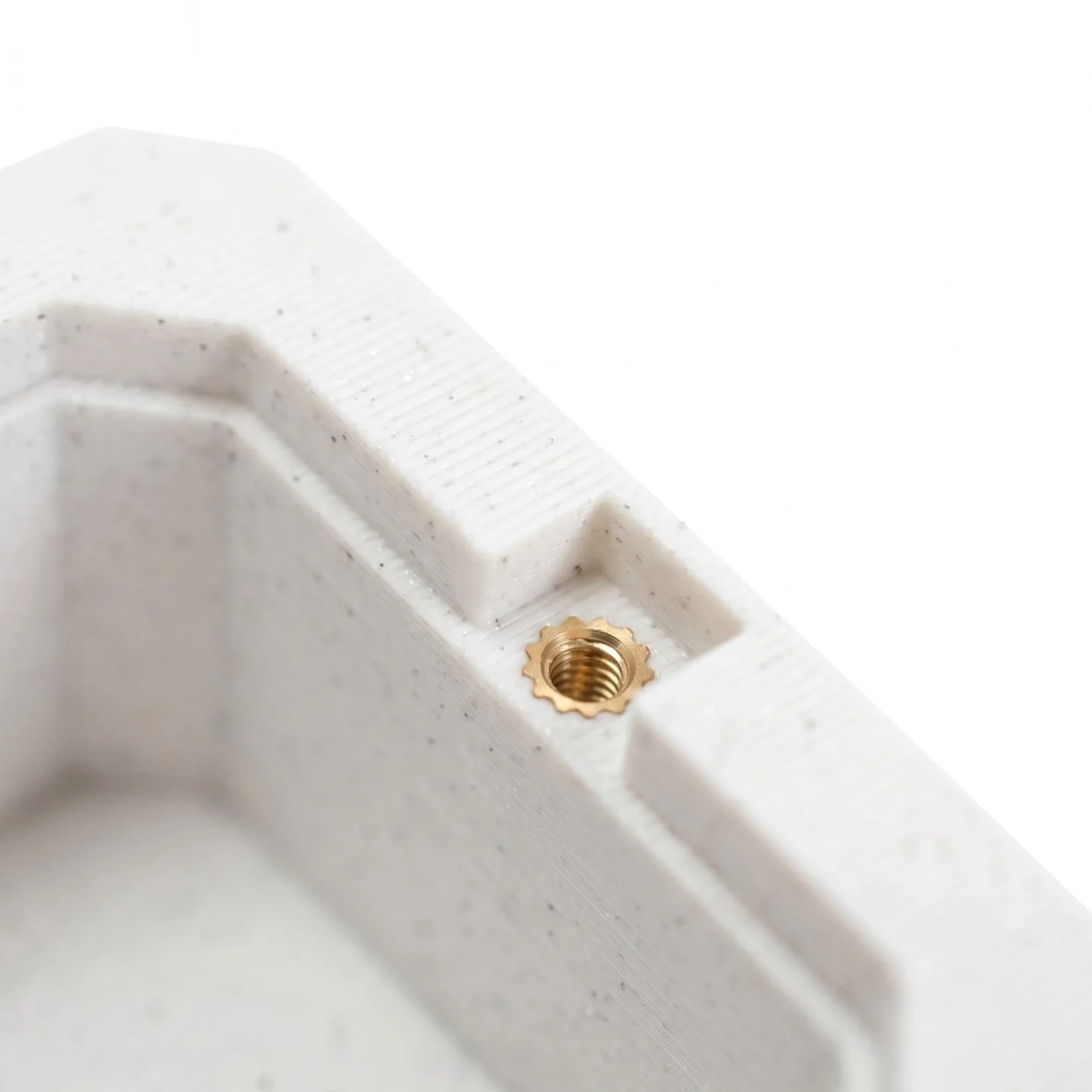
For plastic components, brass inserts manufacturers offer different designs, including flange, self-tapping, press-in, and moulded-in inserts. Installation methods include heat setting, ultrasonic installation, press-in installation, and moulding. Heat and ultrasonic installation use heat to let the surrounding thermoplastic flow around the insert. Moulded-in inserts enter the mould before the plastic forms around them, and post-mould inserts enter the component after moulding. Thermosets have different limitations because they cannot be remelted after curing.
Before selecting an brass threaded inserts for plastic, confirm the particular insert's compatibility with the host material and the available installation process.
Insert Design and Retention Requirements
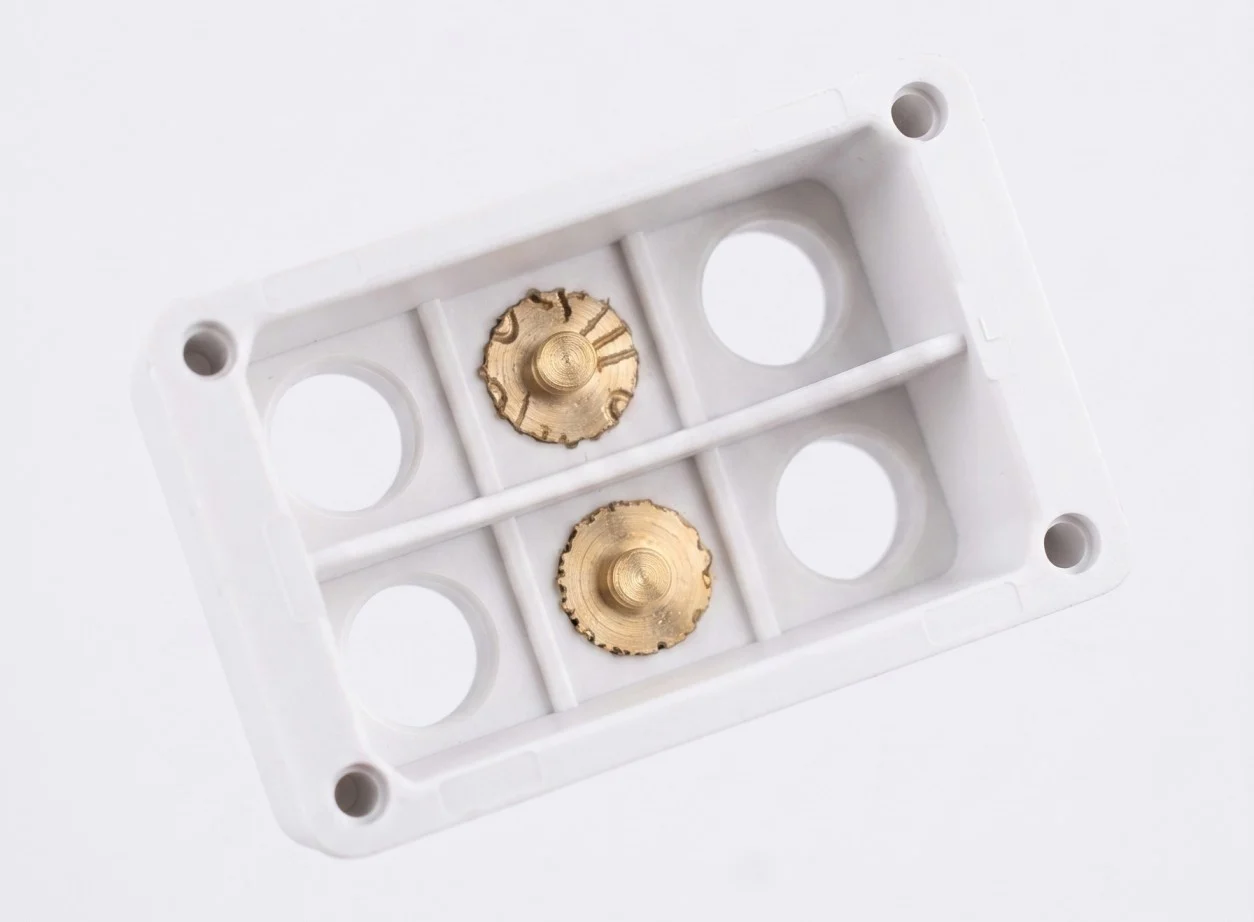
Check the insert's external design as well as its installation method. Knurls can help resist rotation, while barbs and undercuts can improve resistance to pull-out. These features serve different purposes, so rotational resistance and pull-out resistance should not be treated as the same requirement.
Choose an insert that suits the application's requirements, and confirm its performance for the intended material and installation method.
2. Verify Thread Specifications and Insert Dimensions
The next step is to check the internal thread against the mating fastener, then confirm that the insert body fits the available space.
Thread Standard, Size, and Pitch
For metric threads, ISO 261 defines the general plan, ISO 724 gives basic dimensions, and ISO 965-1 covers the tolerance system. For Unified inch threads, ASME B1.1 covers thread forms, series, classes, tolerances, and designations.
Compare the insert's internal thread designation with the mating fastener specification. Confirm the nominal size, pitch, and required tolerance class. For Unified inch threads, check the specified threads per inch.
Insert Length, Outside Diameter, and Head Design
Check the insert length and body outside diameter against the component drawing and available mounting space. Also check the head style and its dimensions against the component drawing. Check the mounting-hole dimensions for the exact insert and base material against the product drawing and applicable mounting guidance.
3. Confirm Brass Grade, Finish, and Compliance Requirements
The next thing you have to consider is brass grade. Choose a brass grade according to your application requirements.
Brass Alloy Designation and Material Documentation
Every brass grade is not the same, and different brass grades provide different compositions. Clearly mention the brass grade on your drawing and verify the manufacturer's material report against the specification for the finished insert. Not all brass grade also lead-free and each one has different lead content.
Surface Finish, Lead Content, and Applicable Regulations
Clearly mentioned on your RFQ surface finish requirement, and this also helps with unnecessary follow-ups. Some brass inserts use nickel plating to address tarnishing, corrosion exposure, appearance, and wear requirements. Plating is not necessary for every application. The finish should match the intended use.
Confirm the lead content from the selected alloy designation and material documentation. C36000, for example, contains 2.5% to 3.0% lead by weight. You have to identify your end use and verify that the selected brass grade meets the required lead-content and machining requirements.
Check the regulations that apply to the product category, intended use, and destination market. RoHS covers specified electrical and electronic equipment and includes exemptions for some copper alloys; buyers must verify whether a specific product qualifies for an applicable exemption. REACH lead restrictions have their own defined scope. These rules do not establish one universal lead-content limit for every industrial brass insert.
4. Check Operating Conditions and Service Requirements
You need to check the conditions the insert will face during use, including the mechanical loads, fastening cycles, temperature, and surrounding environment.
Expected Loads, Vibration, and Repeated Fastening
Identify the expected tensile load and tightening torque. Pull-out strength and rotational torque resistance measure different aspects of insert performance. Vibration also needs consideration because fastener self-loosening and insert rotation are separate issues.
If the application requires repeated fastening and removal, verify the complete assembly by testing the assembled joint under the intended production conditions. Performance depends on the host material, component design, installation quality, and alignment of the mating component.
Exposure to Moisture, Chemicals, and Temperature
Define the moisture, chemicals, cleaning fluids, and temperature range the assembly will encounter. Brass alloy behavior varies with the environment, and some brass alloys can suffer stress-corrosion cracking under specific conditions. The host plastic also needs a separate chemical-compatibility check because resistance depends on the substance, concentration, exposure time, temperature, and mechanical load; its operating-temperature limits also need checking.
Do not assume one brass grade or insert design will perform the same way in every environment, so check that the selected insert, host material, and assembled joint suit the actual service conditions.
5. Evaluate Product Quality and Supplier Capability
Check whether your brass insert manufacturer can meet drawing requirements and maintain them across repeat orders. Verify this capability before ordering. A product sample can help you evaluate the product, but you also need to understand how the supplier controls ongoing production.
Product Specifications, Sample Quality, and Consistency
Provide the supplier with controlled drawings, dimensional tolerances, and specified material and finish requirements. Check samples against the required dimensions, internal threads, brass grade, and surface finish. Request inspection results for dimensional conformity and material documentation that identifies the brass grade and is traceable to the supplied material.
Sample approval does not guarantee that every production batch will meet the same requirements. Ask how the supplier checks production parts, records inspection results, handles nonconforming parts, and controls changes to the approved specification. A quality-system certificate alone does not prove that each supplied insert meets your drawing.
Customization and Repeat-Order Capability
For a custom brass threaded insert, confirm that the supplier can review your drawing and develop samples. Separately, verify the insert's functional suitability in the intended assembly. Check how the supplier records approved specifications and controls design changes before production.
Also check whether the supplier has enough production capacity to meet your expected quantities and schedule. Separately, verify that its manufacturing process can repeatedly produce inserts that meet the agreed specifications. Engineering support, prototype development, and custom manufacturing capabilities vary by supplier, so verify the capabilities relevant to your design.
6. Compare Pricing, Minimum Orders, and Delivery Terms
Compare Quoted Price and Minimum Order Quantity
Compare quotations against the same approved insert specification and required quantity. Check the unit price, total quoted cost, quantity price breaks, and additional charges, including freight and any separately listed packaging.
Check the MOQ for the exact insert. Price breaks and order quantities vary by product and supplier, so confirm the quoted terms rather than assuming a standard minimum applies to brass threaded inserts generally. Consider whether the required purchase quantity fits your planned demand and stock needs.
Confirm Delivery Schedule and Shipping Terms
Verify the quoted lead time, expected delivery date, freight charges, and agreed delivery point. Also clarify when the lead time starts if the supplier does not mention it. For international orders using Incoterms, confirm the exact rule, named place, and version. These terms define specified delivery obligations, costs, and transfer of risk between the buyer and seller.
Conclusion
Do not make a decision only based on the brass insert price factor. check all other details. The right brass threaded insert is one that fits your component requirements and performs as needed in its working conditions. The supplier also needs to meet the agreed specifications and delivery schedule.
Need a quote for brass threaded inserts? Send us your drawing and required quantity, and we’ll get back to you with pricing and delivery details.