

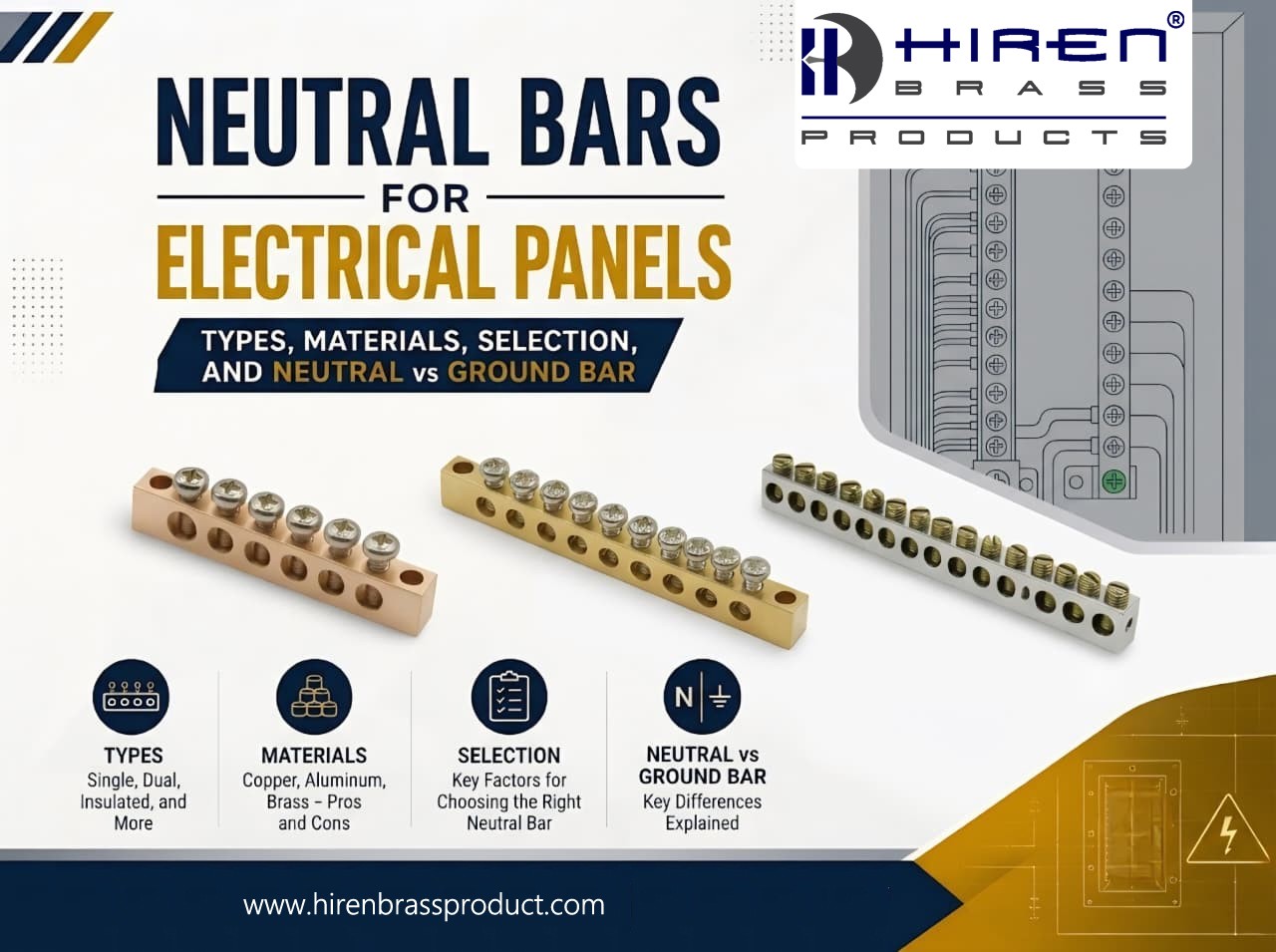
A neutral bar is an important component inside an electrical panel and provides connection points for neutral conductors from branch circuits and other panel connections. Choosing the right neutral bar is much more than size and material. You need to check panel compatibility, neutral rating, terminal, material, and the neutral and ground arrangement for the application.
In this guide, we will cover neutral bars, neutral busbars, different types, material options, ground bar, and how to choose the right neutral busbar for an electrical panel.
What Is a Neutral Bar?
A neutral bar is a conductive bar inside an electrical panel that provides connection points for neutral conductors. It is commonly used in panelboards and loadcenters to connect the neutral conductors from branch circuits and other neutral connections.
The term neutral bar and neutral bus bar can be used for the same or closely related neutral connection assembly, depending on the manufacturer and equipment.
Neutral bars can have terminal lugs for connecting incoming and outgoing neutral conductors. Some panel designs also use different neutral arrangements, such as solid, split, and insulated neutrals, depending on the panel and whether it is used as service equipment or a downstream panel. In downstream panels, the neutral is normally isolated from the equipment grounding system, while service equipment can have different neutral and ground bonding arrangements.
Request a Quote for Custom Neutral BarWhy Are Neutral Bars Important in Electrical Panels?
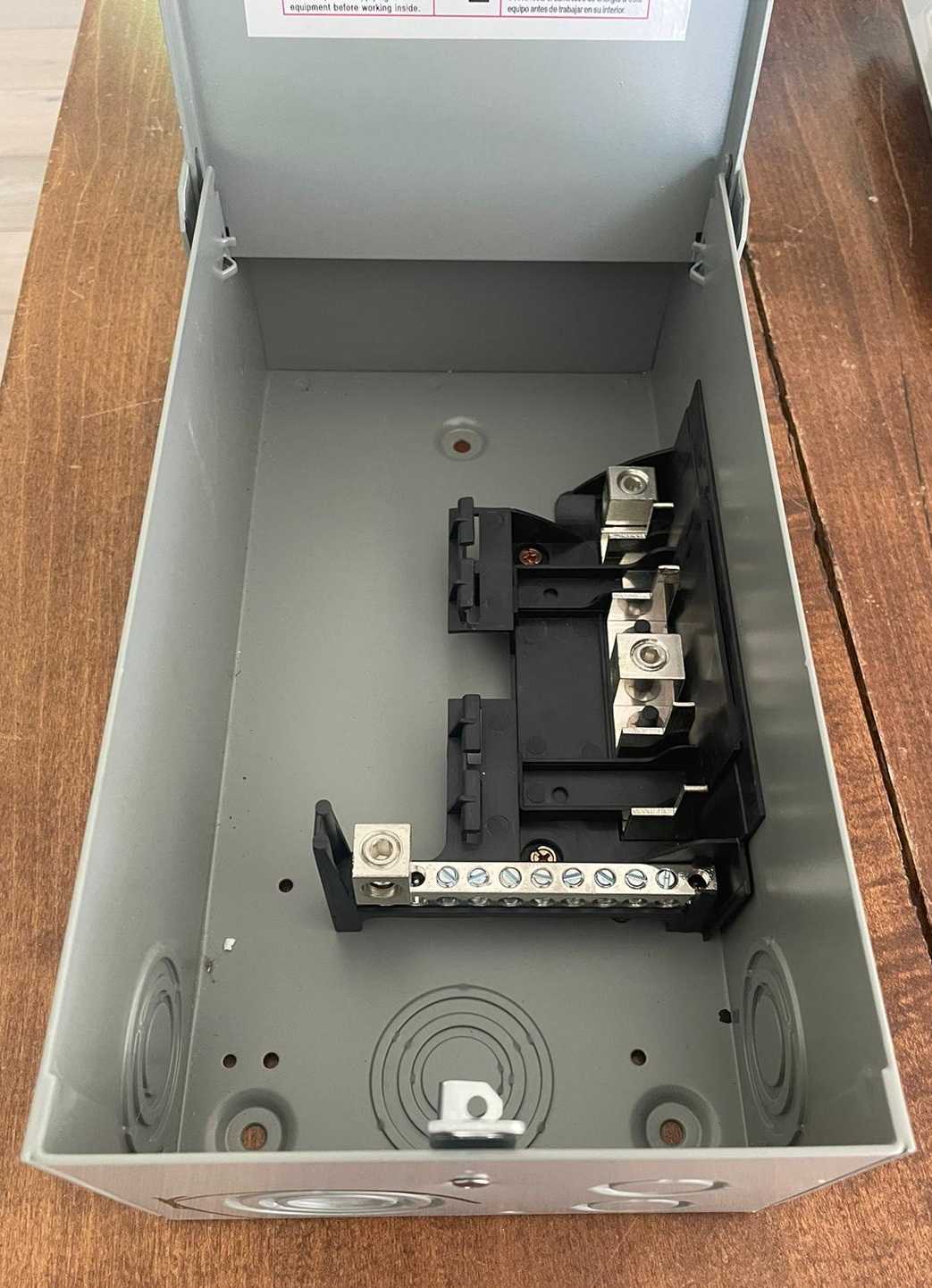
A neutral bar gives the panel a proper place to terminate and connect neutral conductors. Without the correct neutral connection and arrangement, the panel may not support the intended circuit configuration.
Provides a Common Connection Point for Neutral Conductors
Branch-circuit neutral conductors terminate at the neutral bar in the panel. The bar provides multiple terminals so the panel can accommodate the neutral conductors required by its design. Some panel and breaker designs also require a connection to the panel neutral, where the breaker connects to the neutral bar rather than the ground bar.
Supports the Correct Neutral and Ground Arrangement
In service-equipment applications, the neutral may be bonded to the enclosure/grounding system as required by the applicable code and equipment design. In a downstream panel, the neutral normally stays isolated from the equipment grounding system. The neutral bar is not automatically the same electrical point as the ground bar.
The panel's location and application determine how the neutral and ground systems should be arranged. This is why you should use the neutral bar according to the panel manufacturer's design and the applicable electrical code, rather than treating the neutral bar and ground bar as the same connection point.
Types and Material Options for Neutral Bars
Different types are available from neutral bar manufacturers. Neutral bars can differ by electrical rating, configuration, and material. The right choice depends on the panel design, neutral loading, and application. Brass, copper, and aluminum are materials used for neutral bars, and 100% or 200% is a rating and configuration choice. These should not be treated as the same type of classification.
Neutral Bars by Configuration and Rating
100% Rated Neutral
A 100% rated neutral is rated for 100% of the panelboard current. It is a standard option in many panelboard designs, but the exact neutral rating depends on the panel and manufacturer specification.
200% Rated Neutral
A 200% rated neutral is available for some panelboards and applications where higher neutral loading may occur, including systems with nonlinear loads that can produce harmonic currents. A 200% neutral is not automatically better. It should match the actual application and panel design.
Panel-Specific Neutral Assemblies
Neutral bars are not selected only by physical size. The manufacturer may specify a particular neutral assembly for a panel based on the panel rating, circuit count, enclosure, and configuration. Always check the panel model and the manufacturer's compatible neutral assembly before buying.
Brass Neutral Bars
Brass common grade is cheaper than copper. Brass also provides good corrosion resistance and machinability. Brass threads can be suitable for repeated installation and maintenance. Brass neutral links are used in residential panels, industrial control panels, and distribution boards.
Copper Neutral Bars
Copper provides higher electrical and thermal conductivity. Copper can provide lower resistance and voltage drop than brass or aluminum. Higher conductivity and lower resistance can also help reduce heat generation under high current loads. Copper neutral bars can be selected when higher electrical conductivity is more important for the application.
Aluminum Neutral Bars
Aluminum neutral bars provide lower weight compared with copper and are used in some panelboard bus and neutral assemblies. Connection quality needs appropriate attention because aluminum surfaces naturally form an oxide layer. The electrical performance, mechanical properties, and connection requirements depend on the aluminum alloy and bar design.
For a neutral bar, the important checks are the manufacturer, panel model, neutral rating, material, and conductor compatibility. Do not choose the bar only by material.
Neutral Bar vs Ground Bar
A neutral bar and a ground bar have different electrical roles in an electrical panel. The neutral bar connects neutral conductors, while the ground bar connects equipment grounding conductors. The way they are bonded or isolated depends on the panel's application and installation.
| Characteristic | Neutral Bar | Ground Bar |
|---|---|---|
| Main purpose | Connects and terminates neutral conductors. | Connects and terminates equipment grounding conductors. |
| What it connects | Branch-circuit and other neutral conductors. | Equipment grounding conductors and grounding connections. |
| Normal circuit current | Neutral conductors can carry normal circuit current. | Equipment grounding conductors normally do not carry normal load current. |
| Fault-current role | Can be part of the current path depending on the system and fault condition. | Provides a path for equipment fault current back to the source so protective devices can operate. |
| Connection to enclosure | May be bonded to the enclosure when used as service equipment; normally isolated in a downstream panel. | Connected to the equipment grounding system and enclosure as required by the panel design. |
| Typical panel arrangement | Neutral bar & neutral assembly. | Equipment ground bar & ground bar kit. |
How to Choose the Right Neutral Busbar for an Electrical Panel
Choosing a neutral bar include multiple factor. You first need to check the panel model, series, panel rating, panel configuration, circuit count, neutral rating, terminal capacity, conductor compatibility, and the required neutral and ground arrangement.
Check Panel Compatibility
First check panel manufacturer specification, model, series, panel rating, panel configuration, and circuit count. Then check which assembly is specified for that panel. If neutral bar may physically fit but still not be the correct assembly for the panel, so before buying you have to always check manufacturer's compatible neutral assembly.
Check Neutral Rating and Terminal Capacity
Check the neutral rating required for the panel and application. You also need to check the number of neutral terminals, terminal configuration, and wire-size range. The exact terminal capacity can vary between neutral assemblies and panel ratings.
Check Conductor and Material Compatibility
Check the material of the neutral bar and the type of conductor the terminals can accept. Some neutral assemblies and lugs are listed for copper conductors, aluminum conductors, or both. Also check the allowed conductor size and terminal requirements in the manufacturer's specification.
Check Neutral and Ground Arrangement
Finally, check the required neutral and ground arrangement for the panel's application. Service equipment and downstream panels can use different neutral and ground arrangements, so follow the panel manufacturer's configuration and applicable electrical requirements.
| Check | What to verify |
|---|---|
| Panel compatibility | Manufacturer, model/series, panel rating, panel configuration, circuit count, and compatible neutral assembly |
| Neutral rating | Required 100%, 200%, or manufacturer-specified rating |
| Terminal capacity | Number of connection points and terminal configuration |
| Wire size | Required conductor size is within the terminal lug range |
| Conductor material | Terminal is listed for the required copper or aluminum conductor |
| Bar material | Manufacturer-specified or approved material |
| Neutral/ground arrangement | Correct arrangement for the panel and application |
| Product documentation | Exact assembly or kit and installation requirements |
Conclusion
Choosing the right neutral bar depends on the panel and its electrical requirements, not only the material and size. The neutral bar should match the panel design and application.
We make custom neutral bars in brass, copper, and aluminum according to customer drawings and requirements. Contact us for an RFQ.