

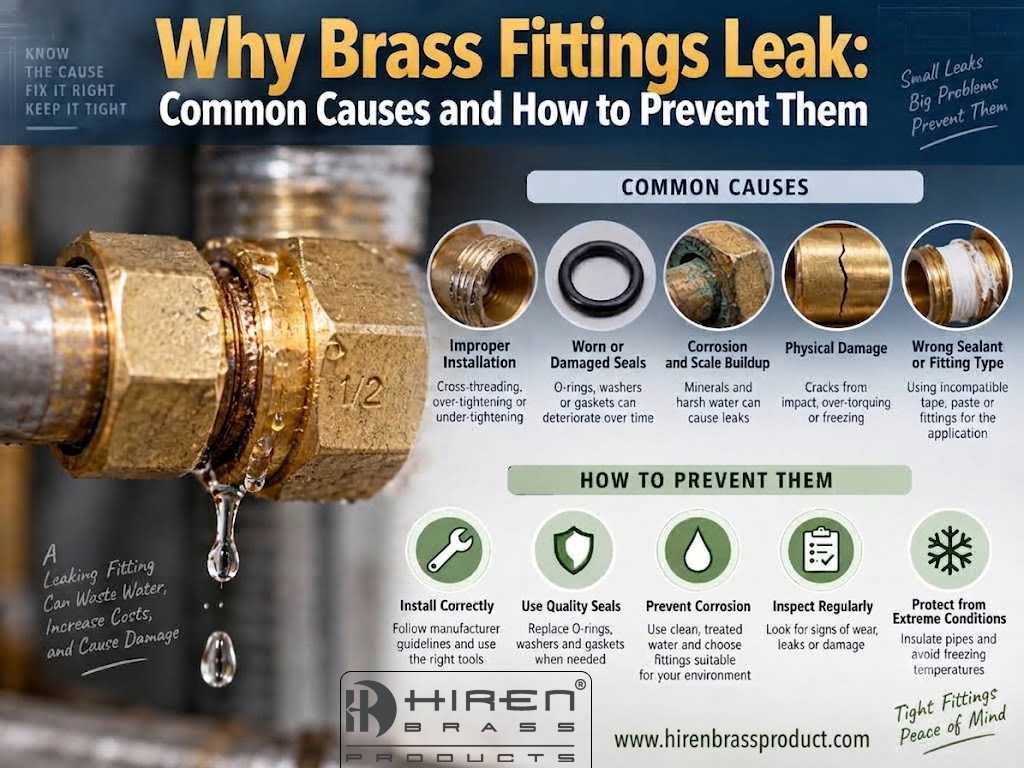
Leakage of brass threaded fittings can occur despite the fitting being perfectly functional. The mismatch of threads, selection of incorrect tubing, improper sealing, overtightening, and inappropriate service conditions can all lead to leaks, which means that merely tightening the fitting may not help if the actual problem is located elsewhere in the fitting.
In this blog, we’ll cover the common causes of brass fitting leaks and what you can check to help prevent them.
Mismatched Threads And Connection Types
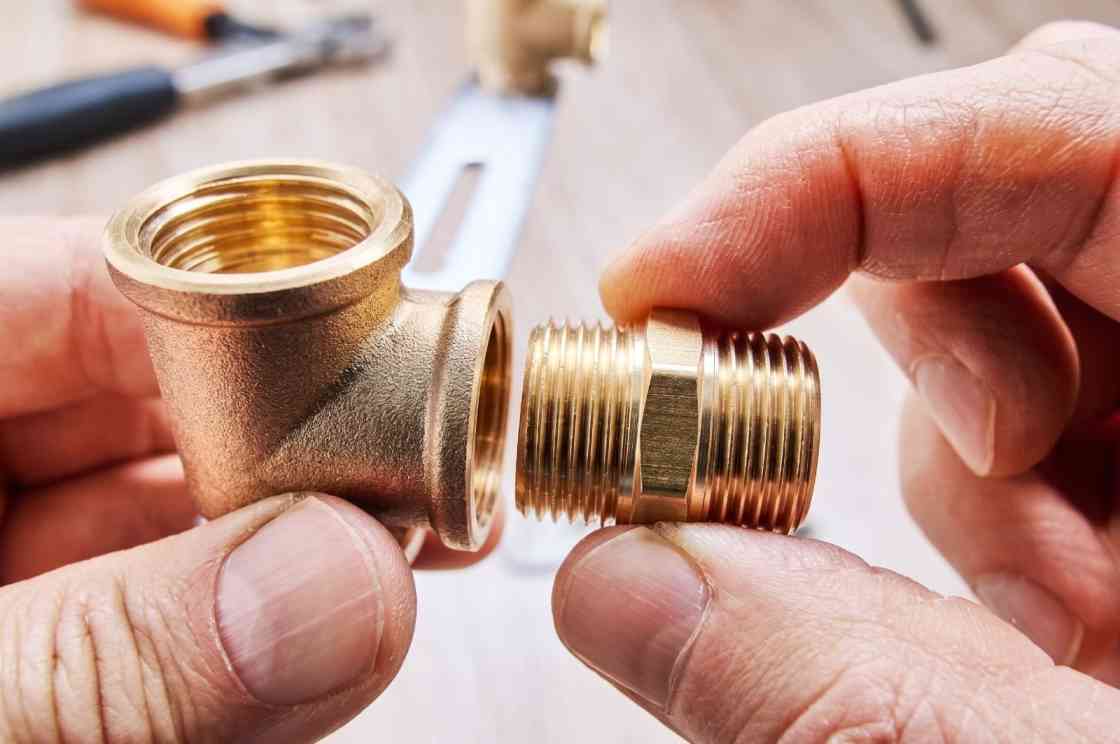
One common cause of leaking brass fittings is the use of an incompatible connection type. Before using a fitting, it is necessary to determine whether it uses NPT, BSPT, BSPP, metric thread, or any of the other thread systems. Different threads have their own diameter and sealing design; therefore, similar-looking threads should never be treated as interchangeable.
The other important point to check is the size and pitch of the thread, and to match the male with the female thread. It is wrong to assume that the threads will create a good seal if the two ends screw together properly. Some tapered threads produce a leak-tight seal using the shape of the thread, while parallel threads need additional sealing at the joint surfaces.
Before installing the fitting or placing the order for it, check the complete thread type and sealing design for the joint connection. This helps prevent leaks caused by mismatched threads and incorrect fitting selection.
Incorrect Tubing Size, Material, and Wall Thickness
Using the wrong tubing size can cause sealing problems and may affect brass fittings' performance. Check the tube outside diameter first, and make sure the tubing material, wall thickness, and hardness match the fitting requirements. A tube that is too thin can collapse during assembly, and tubing outside the recommended wall-thickness range may not work correctly.
Also check the tubing material and surface condition. The tubing needs to be suitable for the fitting and the service, while scratches, dents, and flat spots can affect a connection that seals on the tube outside diameter. Always compare the actual tube specification with the brass fittings manufacturers guidelines before installation.
Wrong Sealing Method
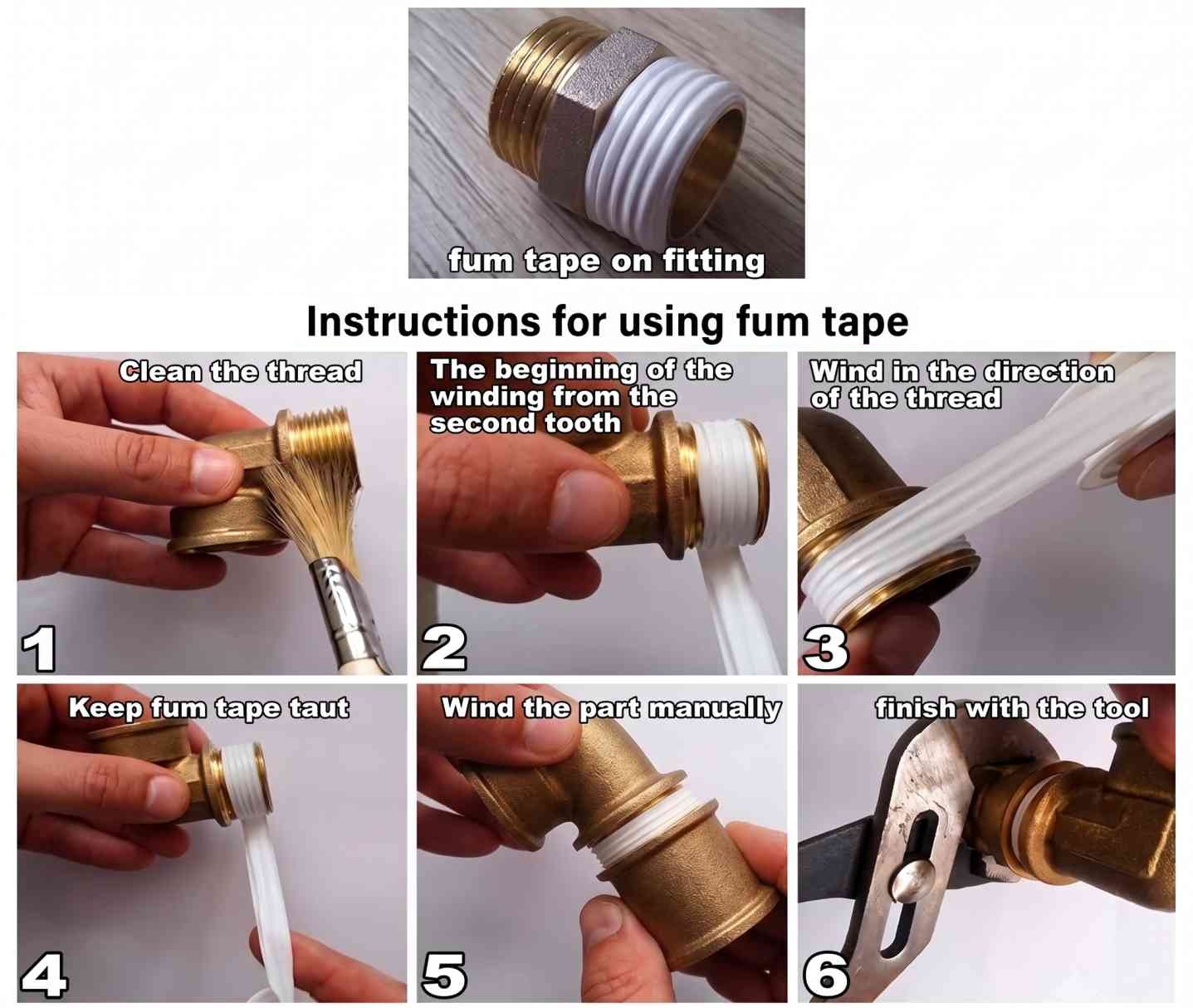
For brass fittings, there is no universal method. Some tapered threads make a pressure-tight connection at the threads with thread sealant, and parallel threads depend on a seal at the mating surfaces. Check how your fitting is designed to seal before choosing a sealant and sealing component.
Use the correct sealing method for the fitting. Depending on the connection, this may include an O-ring, gasket, washer, ferrule, and thread sealant. Do not use PTFE tape and liquid sealant as a universal fix. For threaded connections that require sealant, choose one that suits the fitting material and service. Always follow the fitting manufacturer's sealing instructions before installation.
Over-Tightening and Incorrect Assembly
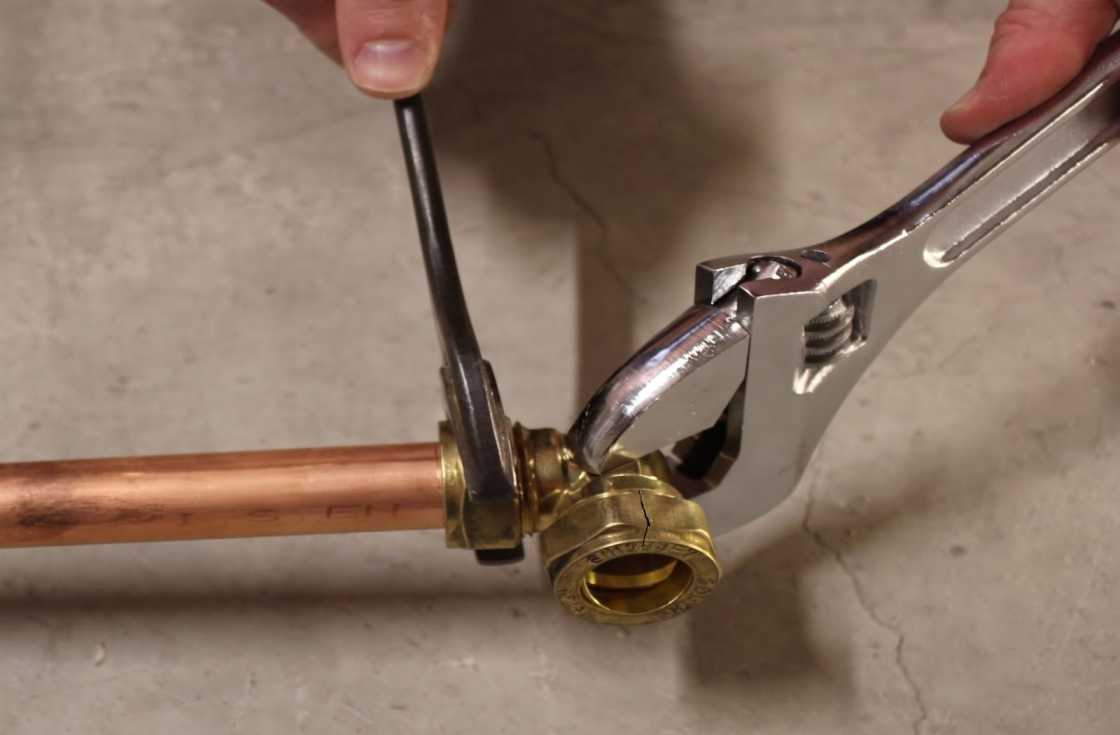
Over-tightening can damage brass fittings, and under-tightening can leave the connection prone to leaks. Do not tighten a fitting by feel. The correct assembly method depends on the fitting design, so follow the manufacturer's specified torque, number of turns, or assembly procedure.
For tube fittings, insert the tube fully into the fitting before tightening and keep the fitting body steady during assembly. Incorrect tube insertion, excessive tightening, and poor assembly can all affect the seal. Check the fitting and tube position during assembly, then follow the manufacturer's installation instructions.
Incorrect Material for the Service
Brass is not suitable for every fluid and service condition. Before choosing a fitting, check the fluid, operating temperature, and pressure, because the suitability of brass can change with the medium, concentration, and temperature. Also check the fitting manufacturer's published pressure and temperature ratings for the actual product.
Corrosion can also cause problems with some brass fittings. Certain copper-zinc alloys can suffer from dezincification in specific water conditions, which can weaken the fitting and cause seepage. Choose the correct brass alloy for the application and check for dezincification resistance where required. For drinking-water applications, also check the applicable lead-content and product certification requirements.
Conclusion
A brass fitting can leak for a number of reasons, and the fitting itself may not be faulty. Check the connection, tubing, sealing method, assembly, and service conditions to find the real cause and avoid the same problem again.
We manufacture custom brass fittings to customer drawings and samples. Send us your drawing and specifications, and we can review them and provide a quotation.